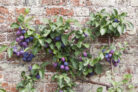
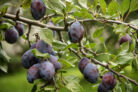
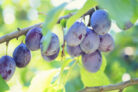
With their deep red foliage and colorful fruit, Cherry Plums (also known as Purple-Leaf Plums) are real showstoppers in any yard. This hardy ornamental tree is a total treat for the eyes all year round. The best part? It’s incredibly low-maintenance, meaning home gardeners can enjoy everything from the spring blooms to the fall harvest without breaking a sweat. Let’s dive into our plant profile to get you started.
Cherry Plums Love the Sun
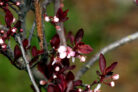
Cherry Plums are happiest in spots that get full sun to partial shade. Their signature oval leaves stay a beautiful shade of brownish-red to deep burgundy throughout the growing season.
These trees are tough as nails when it comes to winter, handling temperatures as low as -22°F (-30°C). That durability makes them a go-to favorite for gardens in cooler climates.
A Sea of Pink in the Spring
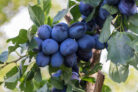
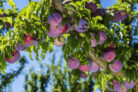
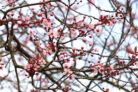
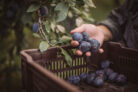
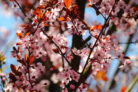
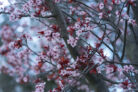
In early spring, these trees put on a spectacular show with delicate white and pink blossoms. If you have a warm, sunny summer, you’re in for a treat—literally! By September, the 1-inch fruits are usually ready to harvest.
They’re perfectly safe to eat raw and are packed with vitamins. They have a lovely sweet flavor and juicy flesh that makes them fantastic for whipping up homemade jams or juices.
Slow and Steady Growth
There are quite a few varieties of Cherry Plum out there. With a little TLC, they can reach heights between 23 and 33 feet, typically growing about a foot each year.
Since they come in so many sizes, you aren’t limited to just planting them in the ground. You can find varieties perfect for large patio containers or even as elegant standard trees. Just make sure you pick the right variety for your specific space when you’re at the nursery.
Easy-Breezy Maintenance
One of the best things about the Cherry Plum is how undemanding it is. If you plant it in the right spot, it’s naturally resistant to most pests and diseases. To keep it looking its best and growing strong, just give it a light annual pruning and clear out any stunted or dead branches.
Keeping an Eye Out for Pests and Fungus
Even the toughest trees have an off day. If your Cherry Plum does get sick, it’s usually due to fungus—especially during rainy spells when Monilia (brown rot) can kick in. These fungal spores travel on the wind and can spread across the whole tree.
You might also run into an aphid problem now and then. Here’s how to handle them:
- If you catch the pests early in just one spot, you can simply prune away the affected branches.
- For a bigger infestation, try releasing some ladybugs! They’re nature’s little exterminators and will happily snack on those stubborn aphids for you.