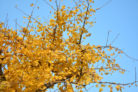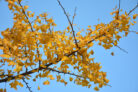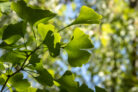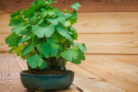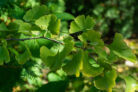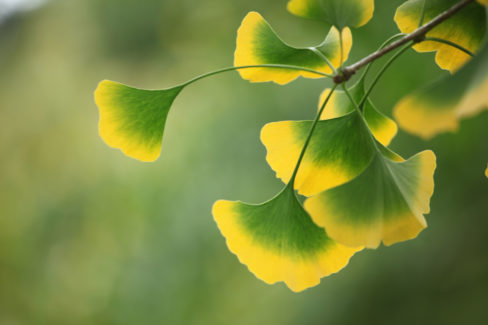
The Ginkgo is a true botanical wonder—a “living fossil,” as many call it. It’s the very last survivor of its kind, with all its closest relatives known only through ancient fossils.
Botanical Features
While the Ginkgo originally hails from Asia, it’s surprisingly hardy and grows beautifully in our climate. Just keep in mind that young saplings are a bit more sensitive during their first few winters. One of the coolest things about this tree is its leaves. Even though they look like delicate fans (earning it the nickname “Maidenhair Tree”), they are actually modified needles! Botanically speaking, the Ginkgo is more closely related to conifers than to deciduous hardwoods.
Quick Facts:
- Plant Family: Ginkgoaceae
- Scientific Name: Ginkgo biloba
- Height: Up to 130 feet (40 meters)
- Bloom Time: March – April
- Fruit: Stone fruit (drupe-like)
Growth Habits
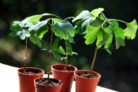
The Ginkgo is definitely not in a rush. It can take up to 50 years for one of these beauties to reach its full height. Part of the reason for this slow pace is that the Ginkgo is incredibly low-maintenance and undemanding. It doesn’t strictly *need* fertilizer, but that hands-off approach will definitely impact its growth rate. If you want yours to pick up the pace, planting it in nutrient-rich soil will give it a nice boost.
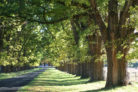
Where you plant it matters, too. Ginkgos love a sunny spot. In their youth, they tend to grow in a narrow, columnar shape before eventually branching out into a wide, majestic canopy. If you plant one in the shade, it’ll stretch upward even faster to find the light. Even in full sun, I recommend a bit of regular pruning. Starting early helps you train the tree into a gorgeous, well-balanced shape.
Fruit Production
If you’re waiting for fruit, you’ll need some patience—and a partner! Ginkgos are dioecious, meaning you need both a male and a female tree nearby for pollination to happen. It takes about 20 years for a Ginkgo to bloom for the first time. Usually, the males start flowering relatively early, while the females might take another 15 years before they’re ready to join the party.
The Ginkgo doesn’t need bees or butterflies to get the job done; it relies entirely on the wind. The male flowers look a bit like fuzzy willow catkins, while the female flowers are very subtle and look like tiny green acorns. You’ll usually see two ovules on a single stalk, but the tree typically only matures one into a fruit, dropping the other along the way.