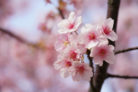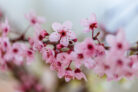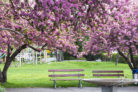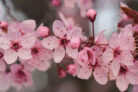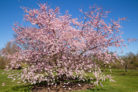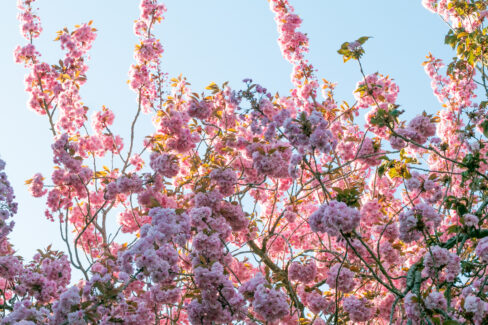
Every spring, the Japanese Flowering Cherry puts on a show that’s hard to beat, covering itself in a spectacular cloud of pink blossoms. It’s no wonder this “paradise tree” is becoming a staple in backyards everywhere. It’s low-maintenance, a total head-turner, and brings that “wow” factor to any landscape. Here is everything you need to know about this stunning ornamental tree.
The Japanese Flowering Cherry: At a Glance
- Origin: Japan
- Plant Family: Rosaceae (Rose family)
- Light: Full sun, sheltered from harsh winds
- Soil: Moist, rich in organic matter, slightly alkaline (lime-rich)
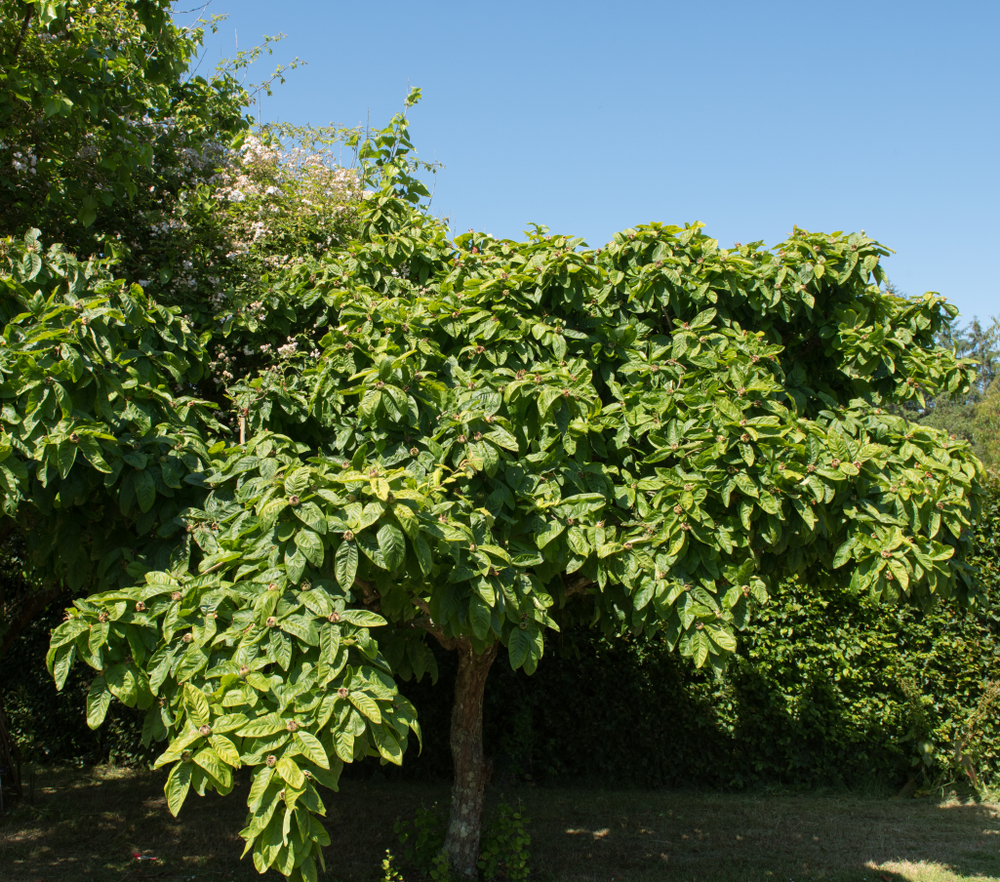
- Growth Habit: Upright, vase-shaped to weeping; reaches up to 40 feet tall and 15 to 25 feet wide
- Leaves: Deciduous, oval to elliptical, finely serrated edges
- Bloom Time: March to April
- Fruit: Small stone fruits appearing in July
- Propagation: Hardwood cuttings
- Maintenance: Regular thinning/pruning
- Best Use: Ornamental tree for gardens, parks, and lining driveways
Appearance and Vibe
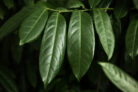
The wood of the Japanese Flowering Cherry is wrapped in a distinctive grayish-brown to black bark featuring horizontal stripes (called lenticels). Its foliage ranges from medium to dark green, with smooth, oval leaves arranged alternately along the branches. One of the best perks? In the fall, the leaves put on a second show, turning vibrant shades of yellow and red.
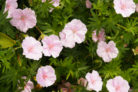
But the real stars are the blossoms, which emerge before the leaves even show up. These flowers can grow up to 2 inches wide, blanketing the entire canopy in shades of white, soft pink, or deep rose.
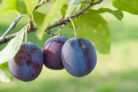
After the flowers fade, you might see small edible fruits. These ripen in July and turn a dark red or black. However, don’t be surprised if your tree doesn’t produce any—many ornamental varieties focus all their energy on the flowers instead of the fruit!
Where to Plant
To get the best bloom possible, your Japanese Cherry needs a spot in full sun. Fall is the ideal time for planting to let the roots settle in. The more sunshine the tree gets, the more explosive that springtime flower show will be.
As for the dirt, these trees love deep, well-draining soil. A sandy-loam mix with a bit of lime (alkaline pH) will keep your tree healthy and growing strong for years to come.
Care and Upkeep
Good news for busy gardeners: this tree is pretty self-sufficient! The Japanese Flowering Cherry is hardy, and during its first few years, you really only need to focus on regular watering and occasional thinning.
Fertilizing isn’t strictly necessary, but if you want to give it a boost, a little lime or a phosphorus-rich fertilizer can help. You usually won’t have to worry much about pests or diseases either, as these trees are quite resilient.
Pro Tips
A little annual thinning goes a long way in keeping your tree tough. By clearing out crowded branches, you improve airflow, which prevents disease and ensures your tree stays covered in blossoms year after year.