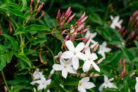
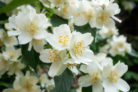
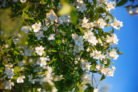
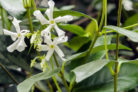
Jasmine flowers are truly something special. Between their intoxicating scent and delicate look, they’re a favorite for a reason. In this post, I’m going to walk you through what makes these blooms so unique and share some tips on how to keep your jasmine happy so it rewards you with plenty of flowers.
Jasmine Flower Colors
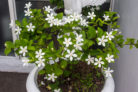
Depending on which variety you’re growing, jasmine comes in a few different shades. The most common colors you’ll see in home gardens are:
- Classic White
- Sunny Yellow
- And, in a few rare varieties, a soft Pink.
When Does Jasmine Bloom?
Timing is everything! Different jasmine species have different blooming schedules. For example, Common Jasmine (Jasminum officinale) shows off from May through September. If you want color in the colder months, Winter Jasmine (also known as Fragrant Jasmine) blooms from December all the way to April. If you’re looking for a long-term performer, Arabian Jasmine has an impressive blooming season that stretches from March to October.
Flower Characteristics
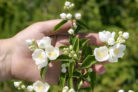
Jasmine flowers typically grow at the tips of young, new shoots. They grow in clusters, sometimes with up to ten individual flowers in a single bunch. Each little flower usually has anywhere from five to ten petals, which are rounded or slightly oval-shaped. The calyx (the little green cup holding the flower) is actually quite small and subtle, letting the petals take center stage.
Life After the Bloom
Here’s a fun fact: jasmine has a little surprise once the flowers fade. After the blooming season, the plant produces small berries! They’re a great decorative touch in their own right. These berries start out round or oval and red, but as they ripen, they turn a deep purple or even a glossy black.
That Signature Scent
We can’t talk about jasmine without mentioning that incredible fragrance. Many varieties release their strongest scent in the evening hours, filling the air with that unmistakable aroma. Because the smell is so divine, jasmine is a staple ingredient in high-end perfumes and essential oils. This actually ties back to the history and naming of jasmine—in the Middle East, the name “Jasmine” can be translated to mean “fragrant oil.”
Creative Ways to Use Jasmine Flowers
Beyond smelling great in the garden or in a perfume bottle, jasmine flowers are surprisingly versatile. You can actually use them to add a floral twist to things like:
- Homemade lemonades or simple syrups
- Classic jasmine tea
- Infused ice cream
- Unique salad dressings and vinaigrettes