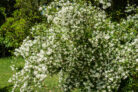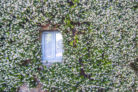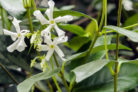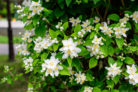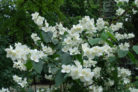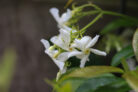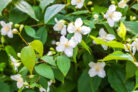
Is jasmine just for your windowsill or balcony, or can you actually grow it as a hedge in your backyard? If you’ve been dreaming of a fragrant wall of flowers, you’re in the right place. I’m going to break down everything you need to know about using jasmine as a privacy screen.
Why Common Jasmine isn’t the best choice for a hedge
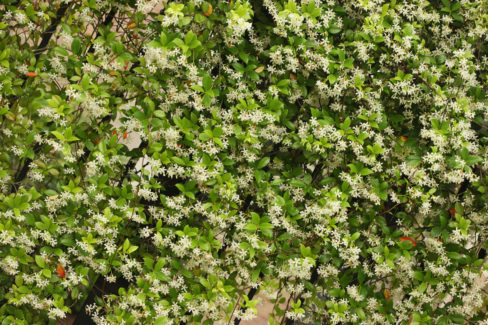
If you’re living in a climate with chilly winters, Common Jasmine (Jasminum officinale) isn’t going to cut it as a permanent hedge. The main issue? It’s not cold-hardy, meaning it needs to spend its winters indoors or in a frost-free spot. Here are a few more reasons why it’s not ideal for a traditional hedge:
- It doesn’t provide enough privacy (it’s not “light-tight”).
- You’d have to dig the whole thing up every winter.
It’s just not thick enough for privacy
A good hedge should, well, hide things! Since jasmine is a perennial that drops its leaves in the fall, it gets pretty spindly once the cold hits. Without those leaves, you’re left with a see-through skeleton of vines that won’t do much to block the neighbor’s view.
The “digging it up” dilemma
Because Common Jasmine can’t handle a hard freeze, it needs proper winter protection. Imagine having to dig up an entire hedge every single autumn, lugging it into a greenhouse, and then replanting it in the spring. Not only is that a massive headache, but it’s also pretty much impossible once the plants are established.
Winter Jasmine: Your best bet for a real hedge
If you really want that jasmine look for a year-round hedge, you’ll want to look into Winter Jasmine (Jasminum nudiflorum). This variety is much tougher and can stay outside all year long. Plus, it’s a total showstopper—it blooms with bright yellow flowers from December through April and keeps its greenery much better than its cousins.
Creating a “Summer Hedge” with Jasmine
Even if a permanent hedge is out of the question, you can still create a beautiful “Summer Hedge” on your patio or in the garden. It’s not a traditional hedge, but it gives you that same lush vibe. Just plant several jasmine plants in separate large pots or containers and line them up side-by-side.
Make sure to add a trellis or climbing aid to each pot. Since jasmine is a natural climber, it will grow up and out, weaving through the supports. If you give your jasmine a good prune in the spring, it will branch out even more, eventually tangling with its neighbors to create a beautiful, fragrant screen for the sunny months!