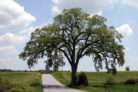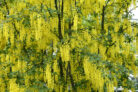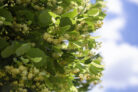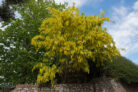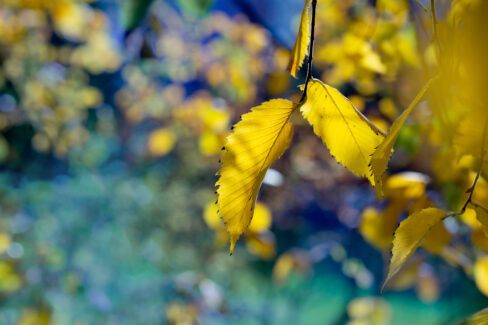
With its stunning golden foliage and elegant, upright habit, the Golden Elm is a total favorite for gardeners across the country. It adds such a bright pop of color to any landscape! But because it stays relatively compact, a lot of folks wonder: do you even need to prune it? Here’s the lowdown on how to keep your tree looking its best.
When is the best time to prune a Golden Elm?
Timing is everything when it comes to a professional-looking prune. If you hack away at the wrong time, you can mess with the tree’s natural rhythm or even leave it vulnerable to diseases. To keep your tree happy and healthy, you’ll want to do your pruning in the winter.
Generally, the sweet spot for pruning Golden Elms is between November and March. Just keep an eye on the weather forecast—you want to pick a day that isn’t freezing. There’s actually another clever reason to prune during the cold months: if you cut the branches on a warm day, the tree releases a specific scent that acts like a dinner bell for pests. Pruning in the cold keeps those bugs away!
Pro Tip: Don’t prune right after planting!
If you just put your Golden Elm in the ground, put the shears away for a bit. The tree needs all its energy to establish a strong root system and get comfortable in its new home. Usually, it’s best to wait until the tree has been in the ground for about three years before you start shaping it.
Maintenance Trimming vs. Hard Pruning
You’ve basically got two options: a light “haircut” for shape or a more radical cutback. Since Golden Elms aren’t exactly speed demons when it comes to growth, you might find you don’t even need to touch them for several years. However, if you notice the crown is getting too crowded or some branches are crossing and rubbing against each other, it’s a good idea to thin them out.
Then there’s the radical prune. This is what you do if you want to keep the tree at a specific height. If you’re going this route, make sure to do it before the new buds sprout in the spring; otherwise, you might seriously stunt the tree’s growth for the season.
Here’s your quick checklist:
- Pick a day that is dry and frost-free.
- Remove any branches that are dead, dry, or growing too close together.
- Always start thinning from the inside of the crown and work your way out.
Dealing with Root Suckers
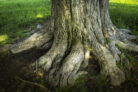
One thing to know about Golden Elms is that they love to send out root suckers. Interestingly, the more you prune the top of the tree, the more the roots try to spread out! To keep the tree from taking over your lawn or lifting up your pavers, you might want to install a root barrier. You can also manually remove these runners. Just follow them back to the base and snip them off right at the trunk—just be careful not to nick the main structural roots!