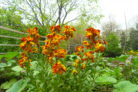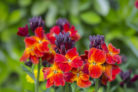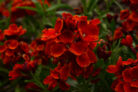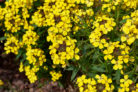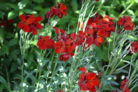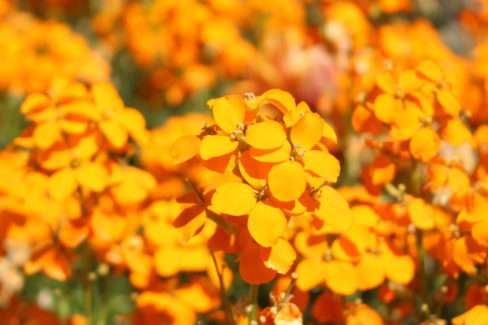
Originally hailing from Southeastern Europe, Wallflowers (Erysimum cheiri) have been a staple in ornamental gardens for centuries. They’re even featured in the famous 1410 masterpiece “Paradiesgärtlein” at the Städel Museum in Frankfurt! In the painting, the flowers are in full bloom, which gives us a pretty good clue that the artist was capturing a beautiful late spring scene.
The Sweet Spot: May and June
Typically, you can expect your Wallflowers to show off their colors from May through June. If we have a particularly mild spring and the growing conditions are just right, you might even see those first blooms popping up as early as April. Plus, if you plant certain hybrid varieties like the popular ‘Bowles Mauve,’ you might get a lucky second flush of flowers in the fall—sometimes lasting all the way into November!
Patience is a Virtue: Year Two
The best time to think about sowing your seeds is actually right when the plants are in bloom. Just make sure to wait until the threat of the “Ice Saints” (those pesky late-spring frosts) has passed, as the seeds aren’t big fans of freezing night temperatures and might not germinate. Aim to get your seeds in the ground between May and July. Just keep in mind that Wallflowers are biennials, so they won’t actually flower until their second year in your garden.
Let Nature Do the Work
If you already have Wallflowers brightening up your beds, you don’t necessarily have to do the propagation work yourself. These plants are great at self-seeding! The trick here is to skip the deadheading once the flowers fade. If you leave the spent blooms alone, the seeds have a chance to fully ripen and drop, giving you a fresh batch of plants for next year without lifting a finger.
Here’s a quick recap of the Wallflower blooming season:
- Most plants bloom between May and June.
- In warm years, they can start as early as April.
- Certain hybrids will give you a second show in the fall.
- Remember: if you’re starting from seed, you’ll see your first flowers the following year.