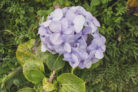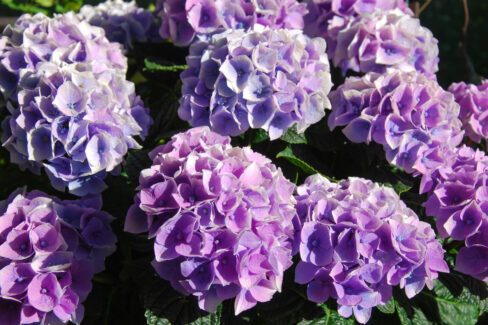
For many of us home gardeners, lacecap hydrangeas are the ultimate “welcome home” plant. Their delicate, flat flower heads add such a charming touch to any yard. But if you want to see those stunning blooms year after year, getting the location right is half the battle. Let’s dive into what these beauties actually need to thrive.
Finding the Perfect Spot
Originally hailing from Japan and Korea, lacecap hydrangeas are used to growing in the dappled shade of tall shrubs and forest thickets. Here in the States, they still prefer that kind of “protected” vibe. While they *can* handle a sunnier spot, you’ll need to be extra diligent with the garden hose. Since they come from regions with regular rainfall, they’re thirsty plants—so don’t be afraid to give them a good soak!
When it comes to the soil, lacecaps can be a bit picky. They love loose, well-draining soil that’s slightly acidic. They’re also what we call “heavy feeders,” meaning they have a big appetite for nutrients. To keep them happy and blooming, make sure your soil is rich and fertile.
Winter Protection Tips
Generally speaking, lacecap hydrangeas are hardy, especially once they’ve had a few years to establish themselves. Older plants usually do just fine with a cozy layer of mulch or evergreen brush over their roots. However, young plants need a little extra TLC during their first few winters.
The same goes for container-grown hydrangeas if the pot is smaller than 15–20 inches. In those cases, it’s best to move them to a “cold house” environment. Look for a spot that is:
- Frost-free
- Cool
- Bright
If you don’t have a bright, cool room, a dark basement or garage can work too—just consider using a grow light to keep them happy. Larger pots can stay outside, but you’ll want to wrap them in horticultural fleece or burlap to shield them from the biting wind and ice.
Extra Care and Maintenance
So, what else do these plants need? For feeding, I recommend using a specialized hydrangea fertilizer twice a year. If yours are in pots, a liquid fertilizer is usually the easiest way to go.
As for pruning, you can actually take it pretty easy! There’s no need for heavy hacking; just snip off any dead wood in the spring. You can also do a little “aesthetic grooming” if the plant is looking a bit wild. And if you fall in love with them (which is easy to do!), propagating lacecaps is a breeze through cuttings or by dividing the plant.