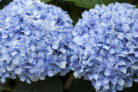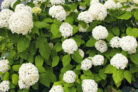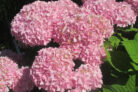
Lacecap hydrangeas are such a stunning sight in the garden that it’s only natural to want more of them. The good news? These beauties aren’t just easy to care for—they’re also incredibly simple to propagate. If you want to expand your collection without spending a fortune at the nursery, here’s how to get it done.
Propagating via Cuttings
The most common way to grow new hydrangeas is by taking “terminal cuttings.” This is just a fancy way of saying you’re cutting off the tip of a shoot that has several pairs of leaves but no flower buds. While many gardeners recommend mid-summer as the best time to do this, you can actually have success in the spring or fall too.
Once you’ve got your cuttings, here’s what to do next:
- Strip off the lower leaves, leaving only the very top pair on the stem.
- Take those remaining top leaves and trim them in half (cut horizontally across the leaf). This helps the plant focus its energy on roots rather than foliage.
- Make sure your cut at the bottom of the stem is clean—avoid crushing the stem with dull shears.
- Dip the cut end into some wood ash or a rooting hormone powder to encourage growth.
- Plant the cutting a few inches deep into some nutrient-poor potting mix or seed-starting soil.
After planting, give the soil a light press and a good watering. You’ll want to keep the soil consistently moist. Place your new “baby” hydrangea in a bright, warm spot, but keep it out of direct sunlight so it doesn’t fry. To create a mini-greenhouse effect, you can stretch some plastic wrap over the pot—just be sure to take it off once a day to let the plant breathe. In a few weeks, once roots have formed, your hydrangea is ready to move into a larger pot!
Propagating by Division
If you have a large, established lacecap hydrangea, you can also propagate it by division. This method is a bit more “hands-on”: dig up the entire plant, roots and all. Using a sharp spade, slice the root ball into sections. Then, simply replant your “new” hydrangeas in a suitable location. Just remember to stick to your usual routine, like an annual maintenance prune and providing extra protection if your specific variety isn’t fully winter-hardy.