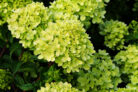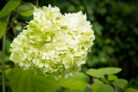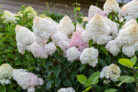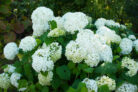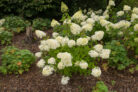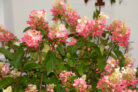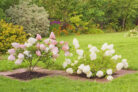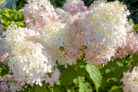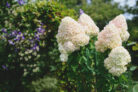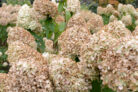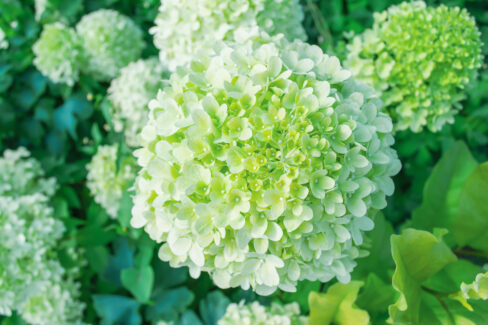
There are countless hydrangea varieties out there, and they all have different opinions on how much sun they actually want. While most hydrangeas are happiest in partial shade, the ‘Limelight’ variety is a bit of a sun-seeker. This gives you a lot more flexibility when you’re deciding where to dig a hole in your garden.
Panicle Hydrangeas Can Handle the Heat
The ‘Limelight’ belongs to the panicle hydrangea family (Hydrangea paniculata). Unlike many of their cousins, these guys can actually handle direct sunlight quite well. You can feel confident picking a sunny spot or at least a very bright area for them. That said, they aren’t picky—they’ll still thrive in partial shade and show off those stunning blooms all season long.
One thing to keep in mind: try to find a spot that’s protected from the wind. Between the lush foliage and those heavy flower heads, a strong gust can easily snap the stems. A spot near a garden wall or a sheltered balcony corner is usually perfect. If your yard is particularly breezy, you might want to stake the bush just to be safe.
Keep the Water Coming
There’s a reason botanists call this plant *Hydrangea*. The name comes from Greek roots meaning “water vessel,” which tells you everything you need to know: these plants are thirsty! You’ve got to make sure they have plenty of moisture to pull from the soil.
During those scorching summer days, give them a good soak. However, make sure your soil drains well. If the water just sits there and gets swampy, the hydrangea’s roots can actually rot. If that happens, the plant will start drooping as if it’s thirsty, even though it’s standing in a puddle.
These plants love soil that mimics a forest floor:
- Forest mulch or woodland soil
- Specialized hydrangea potting mix
- Peat-based soils
- Rhododendron or azalea soil
Don’t forget to feed your plants! To get those massive, show-stopping flowers, you’ll need to fertilize your hydrangea properly. Generally, they prefer slightly acidic soil. Fun fact: the pH level of your soil can actually influence the color of the blooms, so you can do a little “garden chemistry” to tweak the look of your landscape!