Lacecap hydrangeas are a total game-changer for any garden, adding that effortless elegance we all love. But when the temperatures start to drop, these beauties need a little extra TLC to make it through the frost. If you want those stunning blooms next year, here’s everything you need to know about winterizing your hydrangeas.
Are Lacecap Hydrangeas Cold-Hardy?
The short answer is yes—lacecaps are generally pretty tough and can handle the cold, especially once they’re established. However, “teenager” plants (those in their first two years) are a bit more sensitive. For these youngsters, you have two solid options: keep them in pots for the first couple of seasons, or dig them up in the fall and move them to a more sheltered spot for the winter.
For your older, established plants, think of winter prep like putting on a cozy sweater. You’ll want to cover the base with straw, fallen leaves, or compost. Evergreen boughs and pine branches also make a fantastic “winter coat.” Don’t be shy with the mulch—a thick layer about 4 to 8 inches deep is perfect for keeping the roots snug.
Another pro tip? Build a simple wire mesh cage around the plant and fill it with straw and leaves. This creates a great insulation buffer. Once the ground thaws in the spring, you can clear it all away. Just remember: protecting those flower buds from freezing is the goal. If the buds freeze, you’ll be looking at a lot of green leaves but no flowers come springtime!
Wintering in Containers
If your lacecap is living in a pot smaller than 15–20 inches in diameter, it’s going to need some indoor protection. The ideal setup is a “cold house” environment—somewhere bright, cool, and frost-free. If you don’t have a sunroom or a bright garage, a darker spot works too, just consider using a grow light to keep the plant happy. If your hydrangea is in a massive pot, it can usually stay outside, but you’ll definitely want to wrap it in horticultural fleece or burlap to block the biting wind.
Quick Cheat Sheet: Winterizing Your Lacecaps
- Generally, lacecap hydrangeas are quite frost-tolerant.
- The older the plant, the better it handles the winter chill.
- Young plants need extra protection or a move indoors.
- Use mulch, straw, or cages to insulate established garden plants.
- Remove winter protection as soon as the ground is no longer frozen.
- For potted plants, the size of the container determines if it stays out or comes in.
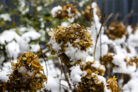
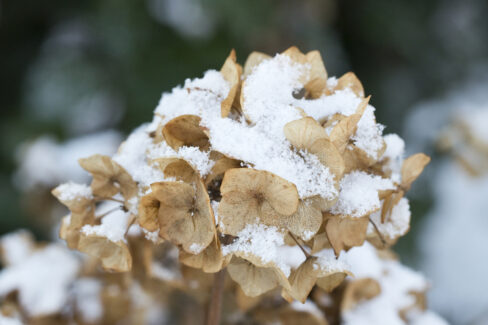
- Wait until spring to prune! Leaving those old, spent blooms on the plant actually provides an extra layer of natural frost protection for the new buds.