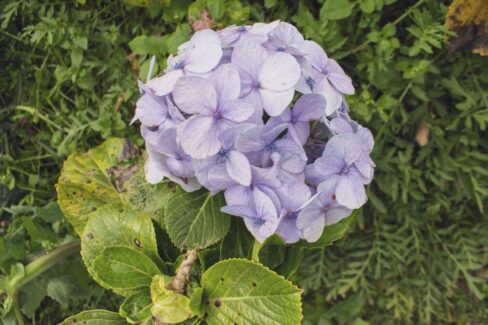
To enjoy a stunning lacecap hydrangea, getting the care routine just right is key. However, I see a lot of home gardeners getting a little too “scissor-happy” and pruning way more than they should. Let’s talk about how to trim your hydrangea without accidentally ruining next year’s show.
How often should you prune?
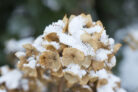
For most hydrangeas, the golden rule is: less is more. This is especially true for lacecaps. These beauties actually set their flower buds on “old wood” (stems from previous years). If you prune too often or too late in the season, you’re literally cutting off next summer’s flowers before they even have a chance to bloom! Plus, those dried-up flower heads serve a purpose—they act as a natural winter hardy shield for the delicate new buds forming right underneath them. My advice? Put the shears away until spring.
Performing a maintenance prune
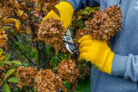
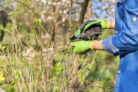
Even though we want to be careful, a little yearly maintenance is still a good idea to keep your lacecap looking its best. This is your chance to tidy up those old blooms. Just make sure your tools are sharp and clean! You want clean cuts, not crushed stems, as “bruising” the plant makes it harder for it to soak up water and nutrients. Always cut right at the base or above a bud—don’t leave any awkward, ugly stubs sticking out.
Not sure where to start? Here’s a quick step-by-step guide for your spring maintenance:
- Start by snipping off the old, dried flower heads.
- Cut them just above the first pair of healthy, plump buds you see.
- If you see any stems that clearly didn’t survive the winter (frost damage), go ahead and clip those back.
- Remove any completely dead wood right down to the ground.
- If you notice branches crossing or rubbing against each other, thin them out to give the plant some breathing room.
Pro Tip: Not sure if a branch is actually dead? Try the “scratch test.” Use your fingernail to lightly scratch the bark. If you see green underneath, it’s alive and well! If it’s brown and brittle, it’s safe to prune.
Getting the timing right
While a light maintenance trim can happen every spring, I recommend a “rejuvenation prune” about every three years. This involves cutting about half of the oldest, woodiest stems down to the ground. While we don’t want to overdo it, a hydrangea left completely to its own devices can eventually look a bit scraggly and stop blooming as vigorously.
If you have a hydrangea that looks totally hopeless or has lost its shape, a “hard prune” might be its last best hope. You can cut the whole thing down to about 6 inches above the ground. If you do this, make sure you’re keeping up with fertilizer and water, and double-check that it’s in the right location. With a little patience and some winter protection, it should bounce back better than ever in two to three years.