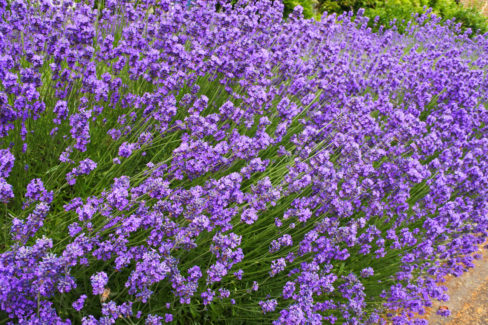
Lavender needs tons of sun to really thrive. If you try to plant it in the shade or even partial shade, it’s going to struggle. Here’s the lowdown on how to plant your lavender and what you need to keep in mind to keep it happy and healthy.
Lavender Craves Sunlight
One of the coolest things about lavender is that it actually prefers poor, sandy soil. Thanks to its deep taproots, it can pull nutrients from way down in the earth. But the one thing it absolutely cannot live without is sunshine. When you’re picking a spot in your garden, a sunny location is non-negotiable. If you get the location right, lavender is surprisingly tough and will grow even in harsh conditions, rewarding you with those iconic purple blooms.
What Lavender Loves:
- Plenty of direct sunlight
- Dry, lean soil
- Substrate that isn’t too nutrient-heavy
- Alkaline rather than acidic pH levels
If you’re growing lavender in a pot—maybe as an indoor plant—make sure to move it outside into the sun during the summer. Find a bright spot that’s protected from harsh winds. When winter rolls around, you can bring it back inside, but keep it in a bright room that doesn’t get too toasty.
Caring for Your Lavender
Potted lavender needs a little more “food” than the stuff growing in your garden beds. While garden-planted lavender usually needs zero fertilizer (or maybe just a tiny bit once a year), potted plants are different. You’ll want to fertilize them during their first growth spurt and then give them another boost in July. Just a heads-up: stay away from high-nitrogen fertilizers. Too much nitrogen will give you lots of leaves but very few of those beautiful flowers.
If your plant is currently stuck in the shade and looking a bit sad, it might be time for a move. With a few tips and tricks, you can even transplant older lavender bushes. The golden rule here is to be extremely careful with the roots. If the root system gets damaged during the move, the plant might not take hold in its new sunny home.