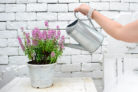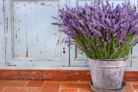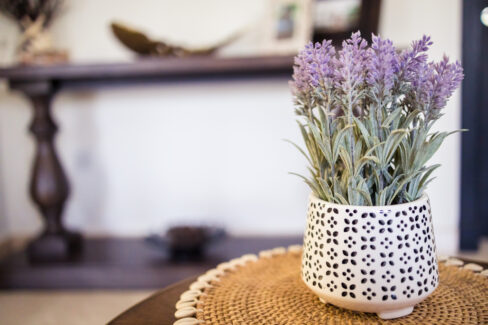
With its stunning purple blooms and that unmistakable, relaxing scent, lavender brings a special kind of magic to any space. Most of us are used to seeing it lining garden paths or spilling out of balcony boxes, but you might be wondering: can I grow lavender as a houseplant? To be honest, keeping lavender happy indoors is a bit of a challenge. Here’s the lowdown on why it’s a picky roommate and how to make it work.
Give Your Lavender Some Summer Vacation Time!
If you’re looking for a plant that stays tucked away in your living room year-round, lavender probably isn’t your best bet. For a permanent indoor buddy, you’re better off choosing tropical plants that thrive in home environments. Lavender originally hails from the sunny, rugged Mediterranean mountains. This means it’s a total sun-worshipper, especially during the summer months. It needs real, direct sunlight—and lots of it!
Because of this, you really should move your potted lavender outdoors into the fresh air during the summer. Without that intense sun and airflow, the plant can get weak and leggy, making it a prime target for fungi or pests. If it doesn’t get enough light, it will eventually just give up. If you’re short on space, even a sunny windowsill or a small spot on the balcony will do wonders for a small pot of lavender.
How to enjoy lavender indoors without the struggle:
- Fill sachets with dried flowers for a fresh-smelling closet
- Create a “lavender wand” by weaving the stems
- Display a beautiful bouquet of dried blooms
Wintering Your Lavender Indoors
When the temperatures drop, you can certainly bring your lavender inside. However, don’t make the mistake of keeping it in a toasty, heated room all winter long. Lavender actually needs a “winter nap” (a dormant phase) in cooler temperatures to stay healthy. It’s a vital part of its natural growth cycle. If you have a variety that isn’t frost-hardy, the best way to overwinter it is in a cool spot like a greenhouse or an unheated bright room, ideally between 50°F and 54°F (10-12°C).
If you try to keep it in a warm living room, you might run into trouble. Here’s the science: the warmer the air, the more sunlight the leaves need to keep up their metabolism. Standard indoor lighting usually can’t provide the “fuel” the plant needs to survive those warm indoor temps, which ends up exhausting and weakening the plant.