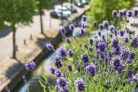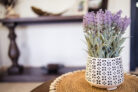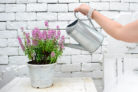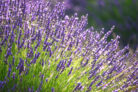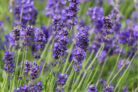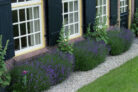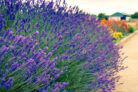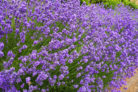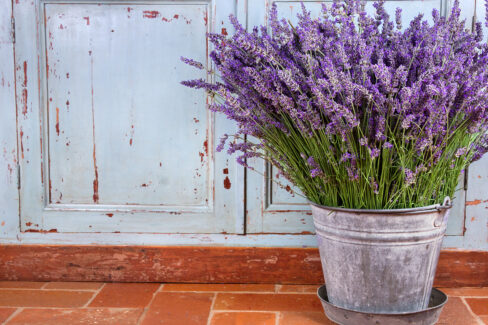
Even if you don’t have a massive backyard, you can still enjoy the heavenly scent of homegrown lavender! This Mediterranean beauty does surprisingly well in containers, making it perfect for small balconies or even a sunny window box. Here’s everything you need to know to get your potted lavender thriving.
Potting Your Lavender
Once you get your hands on some lavender, you’ll want to get it into its new home as soon as possible. The best time to plant is during the spring or early summer. This gives the plant plenty of time to establish a strong root system before the chilly winter weather hits. Just make sure you start with the right container.
Choosing the Perfect Pot
When it comes to lavender, size matters—specifically depth. You’ll want a pot that is wide, but more importantly, deep enough for the roots to stretch out and do their thing. Always make sure your pot has a drainage hole at the bottom; lavender hates “wet feet,” and that hole is your best insurance policy against overwatering.
I highly recommend using ceramic or terra cotta pots. These materials are porous, which allows moisture to evaporate naturally. Plastic pots, on the other hand, tend to trap moisture inside. For the best results, start with a layer of gravel or broken pottery shards at the bottom of the pot to boost drainage, then fill it with soil and tuck in your lavender.
The Best Soil for the Job
Lavender isn’t a fan of rich, heavy potting mixes. Instead, it craves “lean” soil that mimics its rocky Mediterranean home. You can create the perfect blend by mixing standard potting soil with plenty of sand or fine gravel. This ensures the soil doesn’t hold onto too many nutrients and, more importantly, allows water to drain away quickly.
Lavender loves soil that is:
- Dry and well-draining
- Sandy or gritty
- Alkaline (higher pH) rather than acidic
Caring for Potted Lavender
In the ground, lavender is pretty self-sufficient and rarely needs fertilizer. However, life in a container is a bit different. Since the roots can’t reach deep into the earth to find minerals, you’ll need to give them a little boost. Aim to fertilize once at the start of the growing season and again in June or July.
A quick tip: avoid fertilizers high in nitrogen. While nitrogen makes the plant grow fast, it actually discourages those beautiful blooms we all love. When it comes to watering, keep it moderate but consistent. Always check that the soil has dried out a bit before watering again, as standing water is the quickest way to cause root rot and kill your plant.