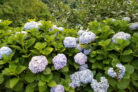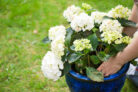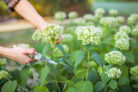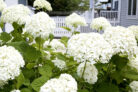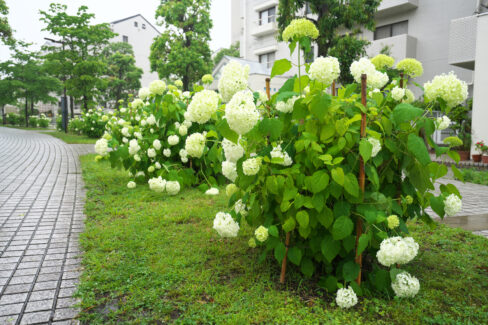
Hydrangeas are total water lovers and heavy feeders. If you crowd them too much, they’ll start competing for resources, which usually leads to stunted growth or fewer blooms. Give them the elbow room they need, and they’ll reward you with a stunning floral show!
How much space does a hydrangea really need?
The perfect spacing really depends on which variety you’re planting in your garden. As a general rule of thumb, you’ll want to aim for somewhere between 3 and 5 feet between plants. If you want to get specific, you should definitely check out the expected size of your specific hydrangea variety.
Take the classic Bigleaf Hydrangea (Mopheads), for example. They usually reach about 3 to 6 feet in height. A good trick is to space them at about half of their expected mature height—so, leaving about 2 to 3 feet between them works great. On the other hand, Panicle Hydrangeas can easily tower over 6 feet, so they definitely need more breathing room. You’ll want to give those at least 3 or 4 feet of space.
Popular varieties to look for:
- Bigleaf Hydrangeas: like Endless Summer, Bouquet Rose, or Bavaria
- Panicle Hydrangeas: like Unique, Grandiflora, Limelight, or Pinky Winky
Spacing with other garden neighbors
Don’t forget about the other plants in your flower bed! You should generally keep about 3 feet of space between your hydrangeas and their neighbors. This is especially important if you’re planting near shrubs or other shallow-rooted plants. If they’re too close, those roots will tangle and compete, which can really mess with your hydrangea’s root development. When that happens, the plant can’t soak up the nutrients it needs. To keep them happy, make sure you’re using a good fertilizer and keeping an eye on your soil’s pH level—both are huge factors for those big, beautiful blooms.
That said, hydrangeas are actually fantastic for “underplanting” if you pick the right spot. The Hydrangea does really well under deep-rooted trees. Since those trees have taproots that go way down into the earth, they aren’t fighting the hydrangea for the same nutrients and moisture in the topsoil. Plus, the hydrangea gets to enjoy the dappled shade the tree provides. Since most hydrangeas prefer part-shade anyway, it’s a total win-win!