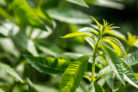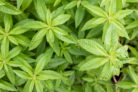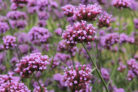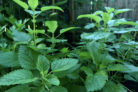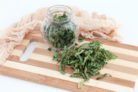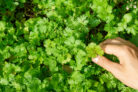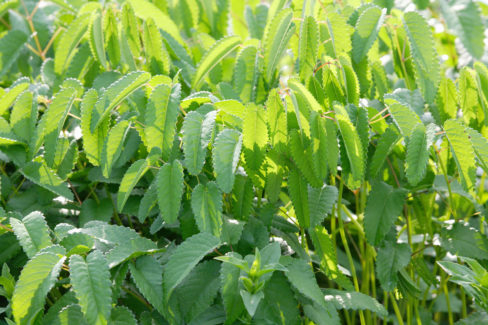
If you’re a foodie with a green thumb, you probably already know and love Lemon Verbena. It’s a superstar in the kitchen and a heavy hitter in herbal medicine. But here’s the catch: while this herb is great at boosting our immune systems during flu season, it’s actually a bit of a wimp when it comes to surviving the cold itself.
Frost-Tolerant or Total Frostbite?
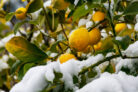
Let’s be real—Lemon Verbena is a total “frostbeule” (as the Germans say), or a cold-sensitive plant. It simply wasn’t built for freezing North American winters. As a rule of thumb, the plant can handle temperatures down to about 23°F (-5°C) for a few weeks, but if it stays that cold for long, it’s game over. No matter where you live, you’re going to need a game plan to protect your shrub. Trust me, once you’re sipping a warm cup of tea made from your own dried Lemon Verbena, you’ll be glad you put in the effort.
How to Overwinter Your Lemon Verbena
You’ve got a few options here. You could just treat it as an annual and replant every spring, or you could try propagating it from cuttings. However, if you grow yours in a pot, overwintering the whole plant is your best bet. Here’s a quick checklist to make sure your plant makes it to next season:
- Come fall, give the plant a good haircut by cutting back all the shoots.
- Aim to leave about 8 inches (20 cm) of growth above the soil.
- Find a spot where the temperature stays between 25°F and 41°F (-4°C to 5°C).
- Your plant’s winter “sanctuary” should be cool and dark.
- If the room has high humidity, you’ve found the perfect winter home.
The best part? Lemon Verbena is pretty low-maintenance during its winter nap. You only need to water it when the soil feels dry. Use the “finger test”—stick your finger an inch into the soil, and if it’s dry, give it a little drink to keep the roots from desiccating. You can skip the fertilizer entirely during the winter; it doesn’t need the extra nutrients while it’s dormant. Once April rolls around, you can start gradually reintroducing your plant to the sunlight.