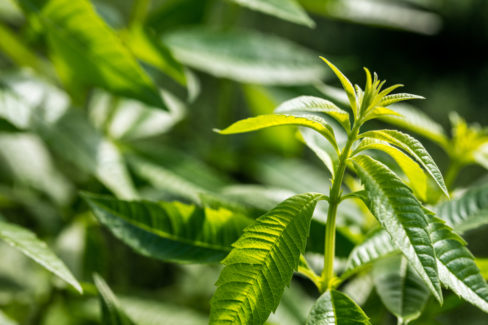
Lemon verbena is one of those plants that just makes a garden feel complete. It smells absolutely heavenly and is incredibly versatile—whether you’re using it as a flavorful herb in the kitchen or as a natural remedy for minor aches and pains. But to keep those refreshing vibes going year after year, you’ve got to give it a little extra TLC, especially when the temperature starts to drop!
Is Lemon Verbena Cold-Hardy?
The short answer is no, lemon verbena is not winter-hardy. In most parts of the U.S., it simply won’t survive a typical winter outdoors without some serious help. Once temperatures consistently dip below 23°F (-5°C), the plant loses its ability to fight off the frost. It can handle a very brief cold snap—say, one night down to 14°F (-10°C)—but you’ll need to act fast to protect it immediately afterward.
Even if you live in a milder climate, your lemon verbena will still need a little support to make it through the season. Trust me, the effort is worth it! After a big harvest, you can dry the leaves to use as a seasoning or a soothing tea all winter long.
How to Overwinter Your Plant Successfully
Trying to overwinter lemon verbena directly in the garden soil is a bit of a gamble. If you’re feeling adventurous and want to try it, cut the stems back significantly (by about three-quarters) and cover the base heavily with mulch, fallen leaves, or brush. Alternatively, you can take cuttings to propagate new plants or start seeds on a sunny windowsill starting in February to get a head start on spring.
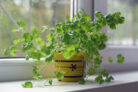
However, the easiest way to keep your lemon verbena happy is to grow it in a pot and bring it indoors. Here’s my go-to checklist for success:
- Before the first frost hits, prune the stems back to about 8 inches.
- Find the right “winter home” for your pot.
- A dark spot with high humidity is actually ideal.
- Aim for a temperature range between 25°F and 41°F (-4 to +5°C).
- Water very sparingly throughout the winter—just enough so it doesn’t bone-dry.
- Skip the fertilizer entirely until spring.
- Come April, you can slowly start reintroducing your plant to the sunlight.