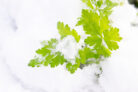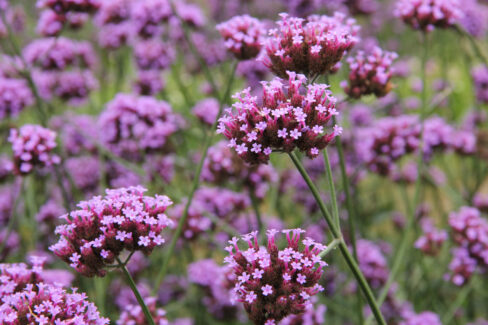
Vervain—or as most of us call it, Verbena—is one of those garden superstars. It’s got lush blooms, a dreamy scent, and it’s honestly hard not to fall in love with it. It’s a no-brainer for any flower bed, but as the summer winds down, you might be wondering: what happens when the first frost hits?
Some Verbenas Can Handle the Cold
There are quite a few different types of Verbena we grow in our gardens. They all love soaking up the sun in a warm spot during the summer, but when it comes to winter, they don’t all play by the same rules. Some are tough as nails, while others are total divas about the cold. If you want your plants to make it to next year, you’ve got to know which one you’re dealing with. These varieties are generally hardy enough to survive the winter without much extra help:
- Common Vervain (*Verbena officinalis*)
- Blue Vervain (*Verbena hastata*)
- Rose Verbena (*Verbena canadensis*)
Many Popular Varieties are Frost-Tender
We can thank plant breeders for the incredible rainbow of colors we see in garden centers today. However, many of these flashy hybrids are pretty sensitive to the cold. In most cases, they won’t survive a winter outdoors, even if you tuck them in with a thick layer of mulch or straw. Because of this, most gardeners just treat them as annuals. If you’re determined to save them, you’ll need to bring them inside. Pro tip: it’s much easier to move them if they’re already growing in pots, but you can always dig them up in the fall and pot them up temporarily.
How to Overwinter Indoors
Once the blooming season wraps up, give your Verbena a good trim and move the pot into a cool, frost-free room. You’ll want to keep the soil slightly moist, but be very careful not to overwater—they don’t need much during their “nap.” Come mid-May, once the danger of frost has passed, you can move them back out to the balcony or plant them back in the ground.
Quick Tip:
Older plants can sometimes get a bit “lazy” and produce fewer flowers. Instead of saving the whole plant, try taking cuttings! These young plants are easier to overwinter on a bright windowsill and take up way less space.
The Alternative: Start Fresh Every Year
For many varieties, trying to keep them alive through the winter is more trouble than it’s worth. Verbena grows fast, so starting from seed is a breeze. You can start seeds indoors as early as February or sow them directly outside in late April. If you leave a few spent flowers on the plant at the end of the season, Verbena will often “self-seed,” meaning you’ll get surprise volunteers popping up in your garden next spring for free!