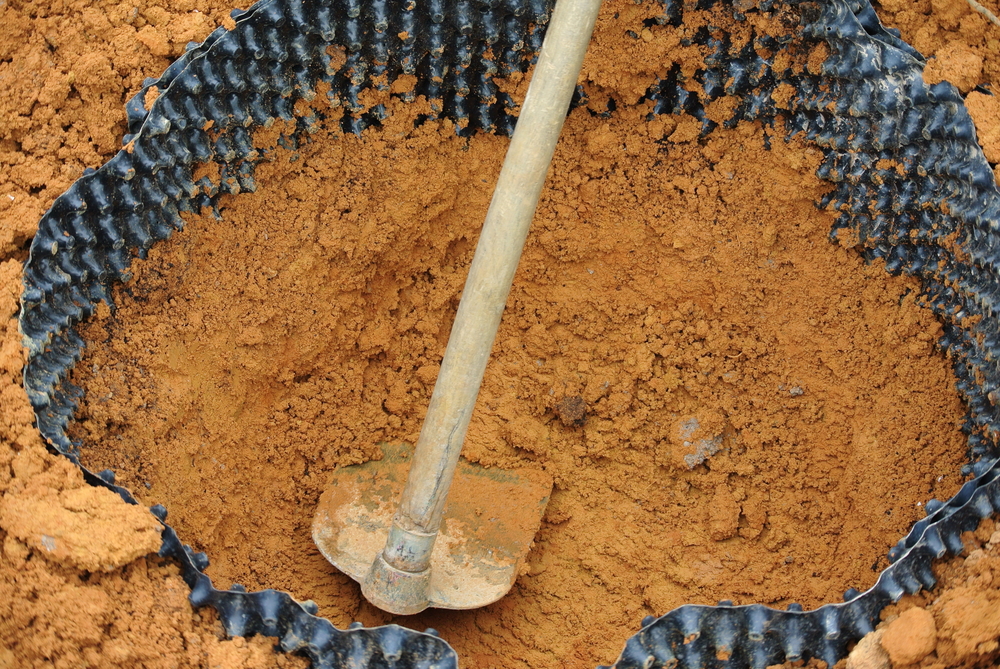
We all know that lilacs can get pretty huge above ground—it’s hard to miss those towering, fragrant branches! But what’s happening beneath the soil is just as impressive (and sometimes a bit aggressive). Lilac roots love to wander, spreading deep and wide. To make sure your other garden favorites don’t get crowded out, you might want to look into a root barrier.
What makes a good root barrier?
The goal of a root barrier is pretty straightforward: it keeps those roots in their own lane. By setting boundaries, you stop the plant from taking over parts of the yard where it doesn’t belong. However, for this to actually work, the barrier needs to be tough. Lilac roots exert a surprising amount of pressure, and if your material is flimsy, they’ll punch right through it, making all your hard work pointless.
Standard pond liner, for instance, just won’t cut it—it’s not built to withstand that kind of root power. Instead of trying to DIY it with scrap materials, it’s worth investing in a high-quality barrier made of polyethylene (HDPE) or polypropylene (PP). You want something that is specifically labeled as root-proof, UV-resistant, and able to handle a deep freeze without cracking.
One more thing: don’t forget to check that the material is non-toxic. We sometimes overlook this with plants, but you want to avoid plastics with nasty plasticizers or chemicals that could leach into the soil and harm your lilac’s health.
How to install a root barrier
The best time to set up a barrier is right when you’re planting a young lilac, but don’t worry—you can still add one to an established bush if needed. First, decide how much “elbow room” you can give your lilac. Don’t be too stingy! Lilacs need a decent amount of space to really thrive. I recommend giving the main trunk at least a five-foot diameter of its own space.
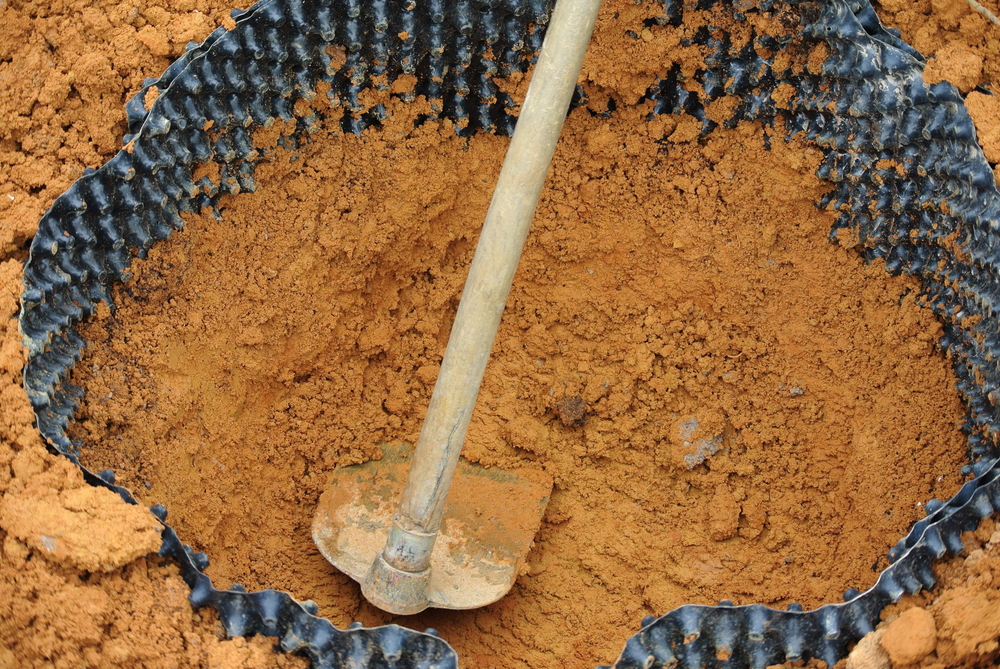
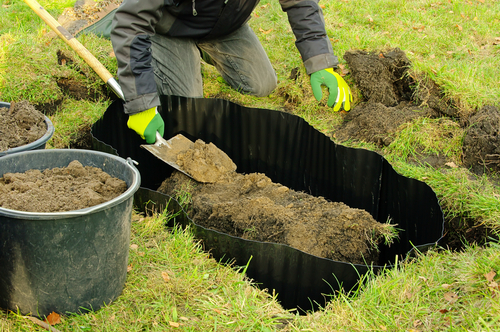
Once you’ve mapped out the area, dig a trench at least 24 inches deep and cut your barrier material to size. Place the barrier into the hole, ensuring it forms a solid perimeter, and set your lilac in the center. Finally, fill the hole back in with soil and give your plant a good soak.