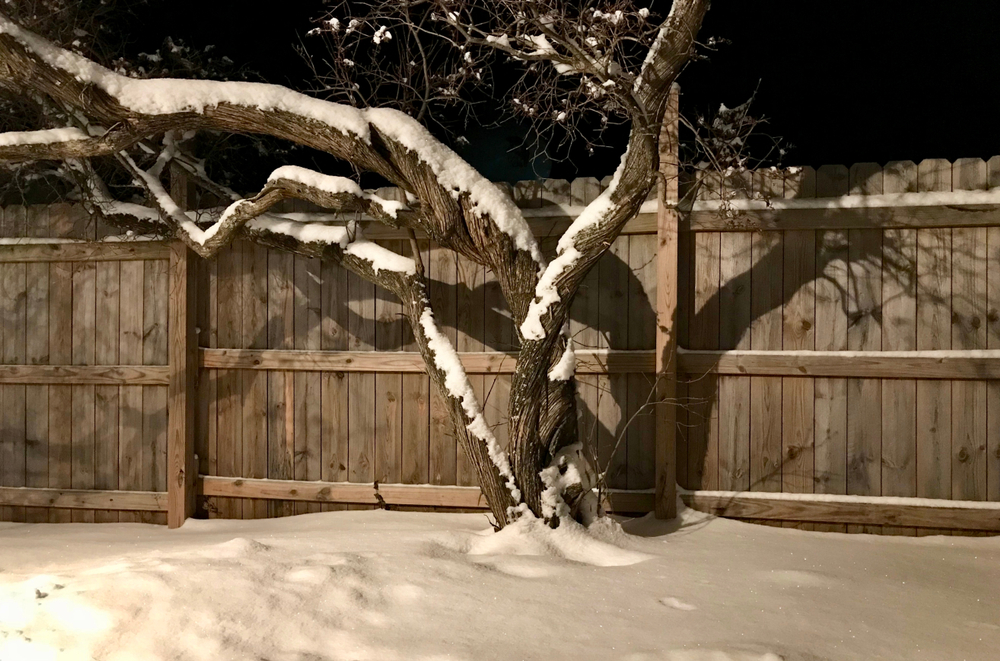
Lilacs are famous for their incredible fragrance, but they’re also known for their “go-getter” attitude when it comes to spreading out. While this rapid growth is actually a great biological trait, it can make life a little tough for the neighboring plants in your garden. Lilacs love to multiply, but those constant suckers and runners can definitely become a headache if left unchecked.
Taming Runners with a Root Barrier
First things first: as of right now, there aren’t any lilac varieties that don’t produce root suckers. If you’re planning on adding a lilac to your yard, it’s just part of the package deal! However, there are definitely ways to keep that enthusiastic growth under control.
Installing a root barrier is the most effective way to prevent uncontrolled spreading. You’ll want to put this in right when you plant. It acts like a “fence” underground, stopping the lilac from taking over the whole garden. Just make sure you use a barrier specifically designed for lilacs or aggressive shrubs; those powerful roots will punch right through thin plastic sheeting or cheap liners.
Another pro tip? You can actually plant your lilac in a large container and then sink that pot into the ground. If you go this route, stick with ceramic or heavy-duty clay—a standard plastic pot won’t stand a chance against lilac roots. Whether you use a barrier or a pot, make sure it goes deep enough; you’re looking at a minimum depth of about 30 inches (80 cm) to really keep things contained.
Keeping Up with Regular Maintenance
Even with a barrier, you’ll likely need to remove suckers manually from time to time. I won’t sugarcoat it—it’s a bit of a chore, but it’s necessary! One big mistake people make is just clipping the runners off at ground level. Don’t do that! Cutting them at the surface actually signals the plant to grow back even more aggressively, which is the exact opposite of what we want.
Instead, you need to dig down a bit and prune the runners directly at the main root ball. A sharp spade is your best friend here; it makes “stabbing” the runners off much easier on your back. Keep in mind that lilacs can send out shoots quite a distance from the main trunk. Keep a close eye on nearby flower beds, or your prize-winning perennials might soon find themselves in a lilac forest!