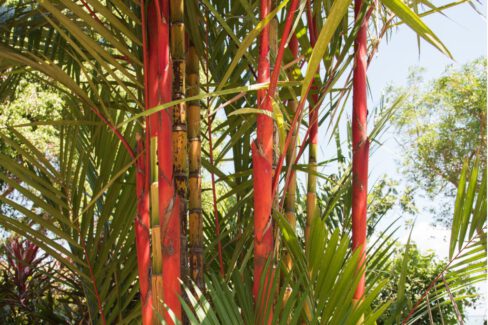
Just like all Fargesia varieties, “true” Red Bamboo doesn’t actually need a root barrier. However, there are other types of bamboo out there with gorgeous red canes that often get mislabeled as Red Bamboo—and those guys definitely need a rhizome barrier to stay in check!
Why do you need a rhizome barrier for some red bamboo?
For many bamboo varieties with red stalks, a root barrier is essential to keep them from taking over your entire yard. These types are “runners,” meaning they send out underground shoots that will pop up everywhere if you don’t stop them. A great example is *Phyllostachys aureosulcata* ‘Spectabilis’. Even though it can reach heights of 15 feet, it’s not quite classified as a giant bamboo, but it sure grows like one!
Only “clumping” bamboos can be planted without a barrier. This clumping habit is what you’ll find with authentic Red Bamboo species.
What materials should you use for a root barrier?
Bamboo roots are incredibly strong and can punch through just about anything. That’s why you shouldn’t try to use pond liners, old flower pots, or plastic tubs like you might for other plants. To really keep those rhizomes contained, your best bet is:
- Specialized HDPE (High-Density Polyethylene) liner (at least 2 mm thick)
- A proper aluminum or steel closure strip to seal the ends
How do you install a rhizome barrier for red bamboo?
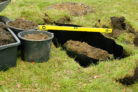
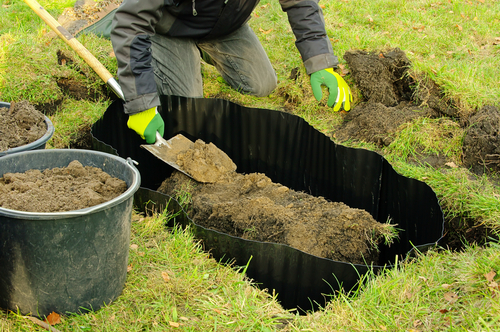
To get your barrier set up, start by digging a large planting hole. It needs to be at least 20 inches deep, but if your bamboo is already a bit older or larger, you’ll want to go even deeper.
The amount of space you need depends on the variety. For medium-sized bamboo, plan for at least 30 square feet of space; for the big guys, you might need up to 100 square feet. Mark out the area around your planting hole before you start digging the trench for the liner.
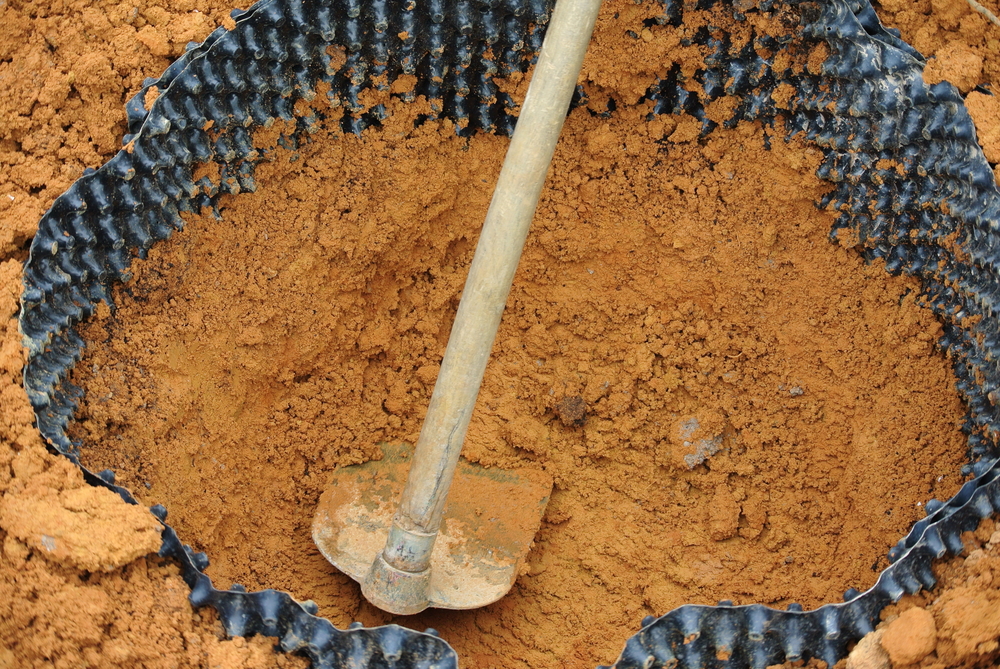
Once you’ve mapped it out, install the HDPE liner at least 24 inches deep around the perimeter and secure the ends tightly with the closure strip. Make sure about 4 inches of the liner sticks up above the soil line—this prevents the roots from simply jumping over the top!