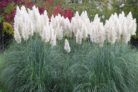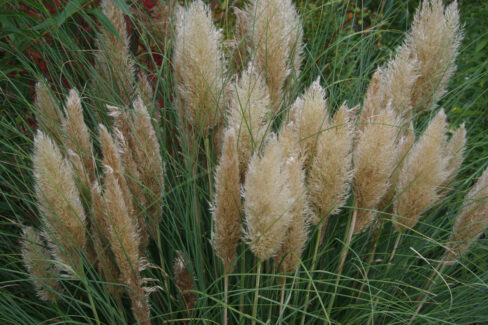
Every now and then, you’ll hear people say you need to install a root barrier when planting pampas grass. Honestly? You can skip that step. While this ornamental grass does have a pretty extensive root system, it doesn’t spread underground like some other plants do. You won’t have to worry about it taking over your entire backyard overnight!
A Common Misconception
A lot of folks plant pampas grass because they want a fast-growing, natural privacy screen along their property line. Usually, the choice comes down to pampas grass or bamboo. Now, with bamboo, you definitely need a root barrier because those rhizomes will travel everywhere if you don’t stop them. Because people often group these two together, the “root barrier rule” for bamboo gets mistakenly applied to pampas grass, even though it doesn’t actually do anything for it.
A Different Kind of Grower
Here’s the deal: pampas grass doesn’t have invasive rhizomes. Instead, it grows in what we call a “clump” or a tussock. This clump expands very slowly outward, so it’s not going to go on a colonizing mission across your lawn. However, that clump *does* get wider over the years. If you don’t divide the plant, that center mass can eventually reach a diameter of three feet or more.
Why Dividing is a Game Changer
Dividing your pampas grass isn’t just about managing its size; it’s actually great for the plant’s health. As the clump grows, the new shoots push the older ones toward the outside. These old sections stop growing vigorously but still soak up energy that the plant should be using for height and those gorgeous plumes. Plus, dividing is the easiest way to propagate new plants for free! Here’s how to do it:
- Dig up the entire root ball.
- Use a sharp spade to slice the clump into sections.
- For really massive plants, you can just break off healthy chunks from the outer edges.
- Pro tip: Always wear heavy-duty gardening gloves! Those leaves are razor-sharp and can give you a nasty “paper cut” if you aren’t careful.