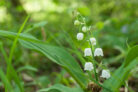
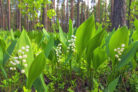
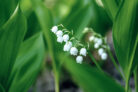
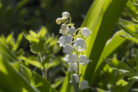
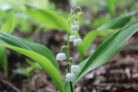
When Lily of the Valley is in full bloom, its stems are lined with those iconic, dainty white bells. As the name suggests, May is the prime time to catch these beauties at their peak.
It’s All About Care and Weather
How long your Lily of the Valley stays in bloom depends on a few different factors. First off, you’ve got to make sure the location offers the right light and soil conditions. Since these plants originally hail from the deciduous forests of Europe, they feel right at home in shade or partial shade. They’re also pretty hungry for nutrients! Before planting, I recommend boosting your soil by mixing in some well-aged compost.
From Late April to Early June
If you want a head start, you can start your plants indoors in March and move them outside in late April—this usually coaxes the blooms out a bit earlier. To keep the show going well into June, make it a habit to deadhead (remove) the wilted flowers as quickly as possible. This tells the plant to stop putting energy into growing berries and seeds, and instead focus on pushing out more flowers.
Keeping Spreading in Check
There’s actually another great reason to clip those fading blooms. If Lily of the Valley is allowed to develop its red berries by August, it can lead to some pretty aggressive, uncontrolled spreading in your garden. Plus, it’s important to remember that Lily of the Valley is toxic. If you have curious kids or pets running around, it’s much safer to remove the flowers before those bright red berries ever have a chance to form.
The Quick Guide to Lily of the Valley Bloom Time:
- Peak bloom season is typically in May.
- With the right care, you can stretch the flowering period into June.
- Always remove wilted flowers promptly to keep the plant healthy and contained.