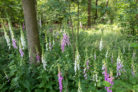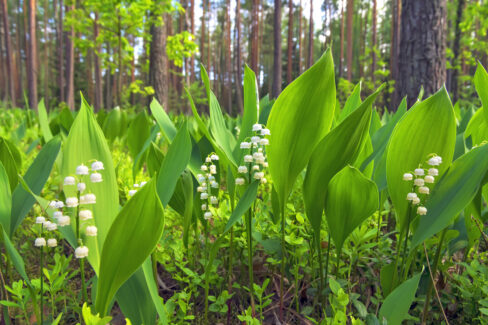
If Lily of the Valley has ever “volunteered” to grow in your garden, you already know how tough it is to get rid of. These little guys spread like wildfire! Because they’re so prolific in our backyards, it’s actually pretty surprising to learn that they are a protected species in the wild.
No Restrictions in Your Own Backyard
If you’ve intentionally planted Lily of the Valley or if it has simply crept into your flower beds, you’re totally in the clear. You can pick them for a bouquet or remove them from your property whenever you like. However, things change once you step out into nature. In the wild, Lily of the Valley—much like Snowdrops—is considered a protected early-bloomer.
Watch Out for Fines
In many regions, plant and animal protection laws work on a sliding scale. Lily of the Valley is officially a protected species, even though it isn’t currently on the “Endangered” list. Still, the law is strict enough that digging up the roots (rhizomes) or picking the flowers in the woods is a big no-no. Technically, fines for violating these rules can reach staggering amounts, though those top-tier penalties are usually reserved for much rarer plants. Think of picking a wild Lily of the Valley more like getting a parking ticket—it’s a regulatory offense that could result in a fine, but it’s not a criminal felony.
Stick to Store-Bought Seeds
Instead of trying to transplant flowers from the forest, your best bet is to buy seeds or starts from a local nursery. That said, before you plant them, you should really consider if they’re the right fit for your yard. Lily of the Valley is actually quite toxic. If you have curious kids or pets running around, you might want to skip these and opt for other native spring flowers instead.
When it comes to the legal side of Lily of the Valley, here’s the quick breakdown:
- It is a protected species in the wild.
- It is not currently listed as endangered.
- Plants in your own private garden are not subject to these legal protections.