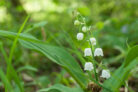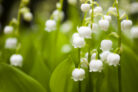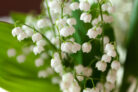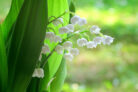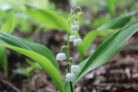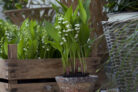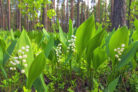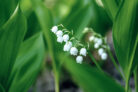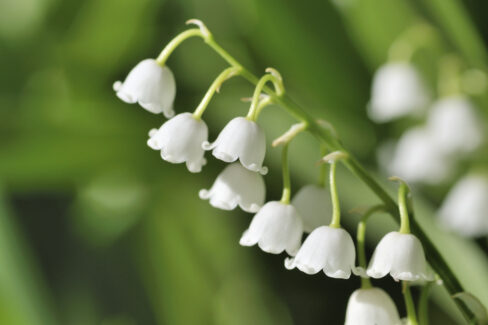
The Lily of the Valley, or *Convallaria majalis*, is a charming woodland native found throughout the forests of Europe and North America. Its name is a bit of a giveaway—it’s famous for those iconic bell-shaped blooms that pop up right around May. While it grows wild in many places, it’s actually a protected species in parts of Europe, so you should never dig it up or pick it in the wild. If you want that classic fragrance in your own yard, your best bet is to grab some rhizomes or seeds from your local garden center.
- Common Names: Lily of the Valley, May Bells
- Native Range: Europe, North America
- Plant Family: Asparagaceae (Asparagus family)
- Ideal Spot: Shady to semi-shady woodland settings
- Height: 4 to 12 inches
- Flower Shape: Bell-shaped, with up to 20 little bells per stem
- Flower Color: Usually white, but sometimes pink or double-flowered
- Leaf Shape: Long, lance-shaped
- Leaf Color: Medium to dark green (some cultivars have variegated edges)
- Root System: Rhizomes
- Propagation: Seeds or root division
- Hardiness: Extremely winter-hardy
- Toxicity: Highly poisonous in all parts
- Conservation: Protected in several regions
The Perfect Spot
Since Lily of the Valley is a forest dweller at heart, it’s happiest in a location with shade or partial shade. It doesn’t mind a little morning or evening sun, but it definitely wants to hide from the midday heat. It loves loose, well-draining soil that’s rich in organic matter. Pro tip: Mix in some mature compost before planting to give it a great head start.
Bloom Time
True to its name, May is the star of the show for this plant. You’ll usually see those fragrant bells starting to peek out in late April, and they can last well into June. Once the flowers fade, they turn into small red berries by August. These berries contain the plant’s seeds, but be careful—they might look pretty, but they are definitely not for eating!
Care and Maintenance
When it comes to maintenance, Lily of the Valley is about as low-key as it gets. It’s a “set it and forget it” kind of plant. You don’t really need to worry about fertilizing it or over-watering, and there’s absolutely no need for regular pruning. Just let it do its thing and enjoy the groundcover!