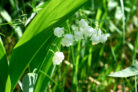
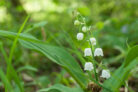
Lily of the valley gets its name for a pretty obvious reason: those iconic white, bell-shaped flowers usually make their grand appearance right around May. But once those blooms fade, things start to change. By August, those delicate bells transform into bright red berries.
– When the flowers get pollinated
For a lily of the valley to produce berries, it needs to be pollinated during its blooming season. Once the flowers wilt, the fruit begins to develop over the course of the summer. Here’s what those berries actually look like:
- Round, bright red berries
- About 1/4 to 1/2 inch in diameter (6 to 12 mm)
- Three internal chambers per berry
- One to five seeds inside each berry
- Seeds are roughly 3 to 4 mm long and spherical
A quick heads-up: They’re toxic!
If you’ve got kids or pets running around, you might want to think twice about keeping lily of the valley in your yard—or at least consider removing them from high-traffic areas. These plants are poisonous. While experts sometimes debate exactly *how* toxic they are, one thing is for sure: just touching them can cause skin or eye irritation for some people. If someone (or a furry friend) happens to eat the berries or any other part of the plant, it can lead to some nasty symptoms, including:
- Nausea
- Diarrhea
- Vomiting
- Dizziness
- A slowed heart rate
Keep things safe by deadheading
To keep curious kids or pets from accidentally snacking on the berries, it’s a smart move to snip off the spent flowers as soon as they start to fade. This prevents the berries from forming in the first place. Plus, deadheading helps stop the plant from spreading uncontrollably via seeds. Just keep in mind that seeds aren’t the only way this plant travels—it also spreads through its root system, sending out runners in every direction. Because they can be so aggressive and are toxic to boot, many gardeners debate whether this protected wildflower is really the best fit for a backyard garden.