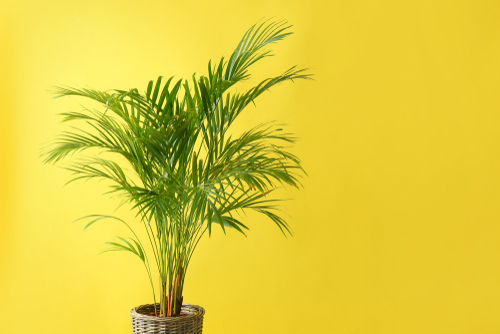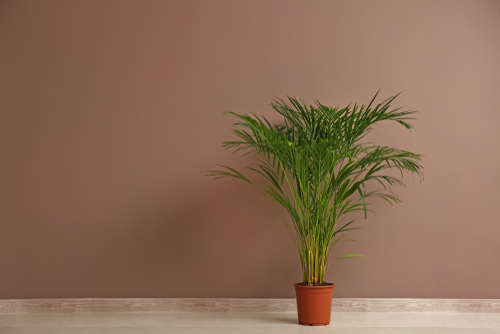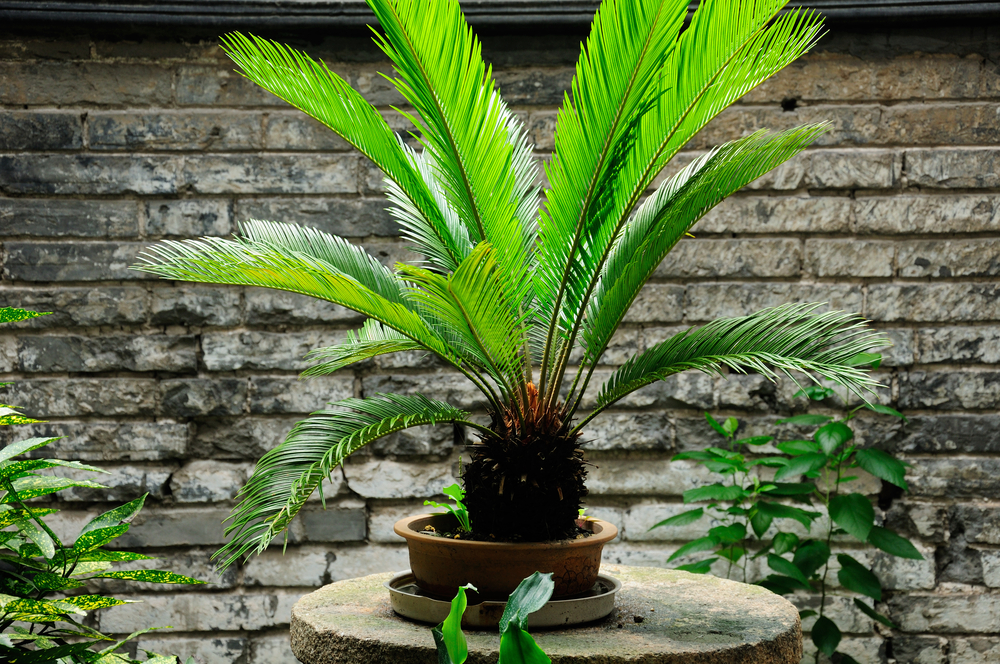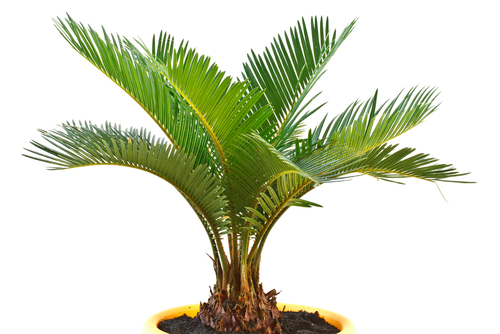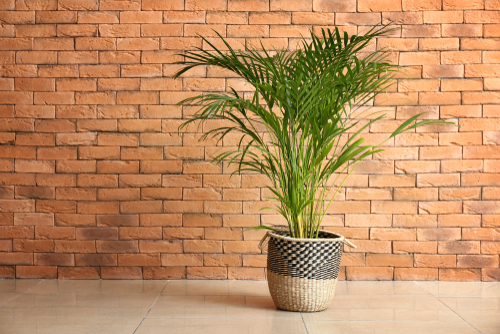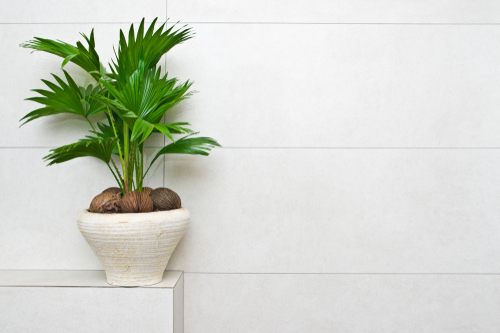
The Livistona belongs to the fan palm family, making it a “true” palm. Generally speaking, true palms aren’t toxic, and the Livistona is no exception—it doesn’t contain any dangerous substances.
The Livistona is Non-Toxic
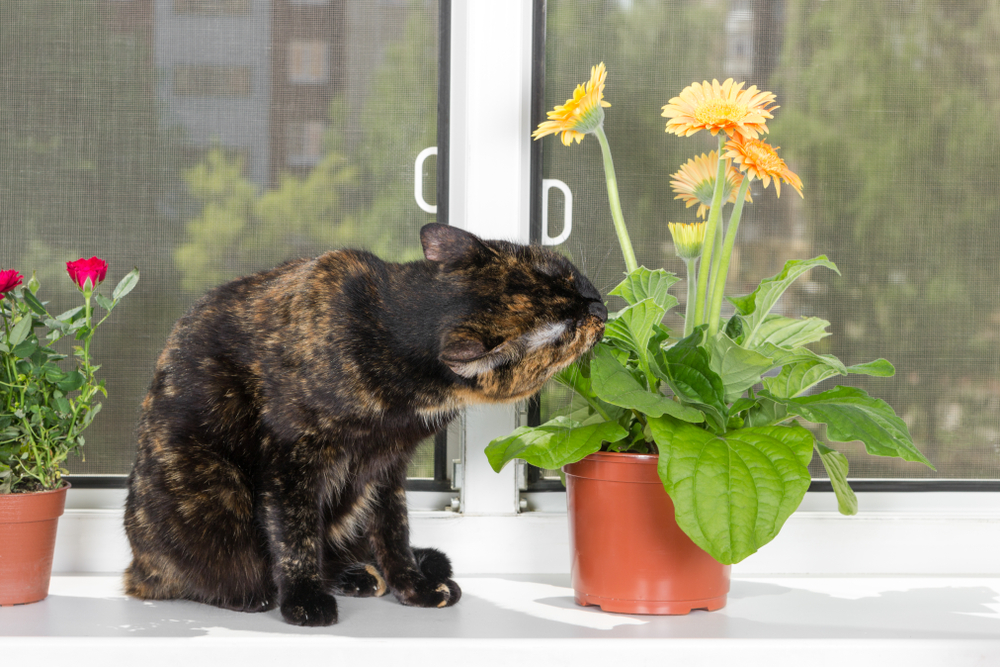
Since this fan palm is completely non-toxic, you can grow it in your home without worrying about your kids or furry friends. However, there is one little “ouch” factor to keep in mind: the leaves are very pointy and sharp. To keep children and pets safe from accidental pokes or scratches, it’s best to place the palm somewhere slightly out of reach. There are three common non-toxic species you’ll likely run into:
- Livistona rotundifolia (Table Palm)
- Livistona australis (Australian Cabbage Tree Palm)
- Livistona chinensis (Chinese Fan Palm)
Fun Facts About the Livistona
This fan palm is a real showstopper thanks to its massive, fan-shaped fronds. If you’re thinking about bringing one home, just keep in mind that these beauties can get pretty big over the years, so they’ll eventually need some elbow room!
Here are a few more quick facts:
- Also known as the Round-leaf Livington Palm, Australian Fan Palm, or Fountain Palm.
- Indoors or in a sunroom, they can potentially reach up to 23 feet tall (though they can hit nearly 100 feet in the tropics!).
- When grown in a pot, they rarely develop a visible trunk.
- They are relatively low-maintenance and easy to care for.
- The leaves can grow up to 2 feet long and wide, featuring those signature sharp tips.
- Never prune or “top” this palm! The growing point is hidden right at the tip, and cutting it will kill the plant.
How to Grow a Livistona
Your Livistona will be happiest in a bright spot where it can soak up a few hours of direct sunlight every day. For the soil, go with a mix rich in compost and a bit of loam. I recommend adding some sand, gravel, expanded clay, or lava rock to the mix to keep the soil airy and well-drained.
The Growing Season
From spring through fall, your Livistona will be thirsty! Water it regularly with soft, room-temperature water, making sure the root ball gets a good soak. Wait until the top layer of soil feels dry before watering again. These palms hate “wet feet” (standing water), but they also can’t handle their roots drying out completely. Feed your palm with a specialized palm fertilizer every two weeks during this time.
Winter Dormancy
From October to February, your fan palm takes a little nap. It prefers cooler temperatures during this time—around 55 to 60°F is perfect. You’ll want to scale back on both watering and fertilizing until spring rolls around. If you plan on moving your palm out to the patio for the summer, remember to acclimate it to the sun slowly so those beautiful leaves don’t get a sunburn!