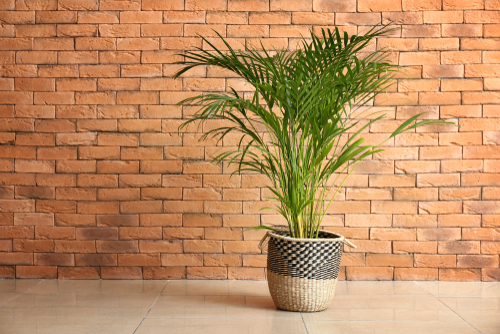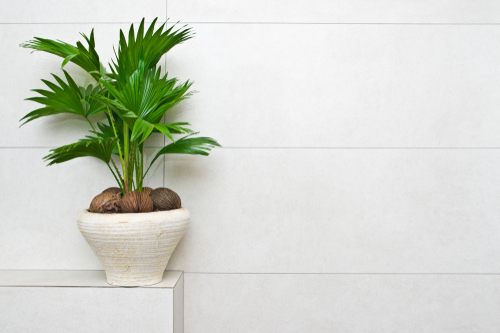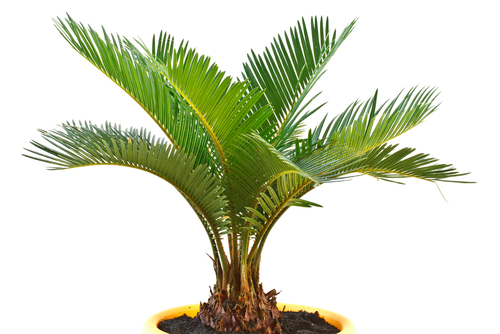
Many cat owners find themselves double-checking every new plant they bring home, wondering if it might be a danger to their furry friends. If you’ve got your eye on a Golden Cane Palm (also known as an Areca Palm), I’ve got some great news for you: you can breathe a sigh of relief! This plant is completely non-toxic to both humans and pets.
What to Keep in Mind with Your Areca Palm
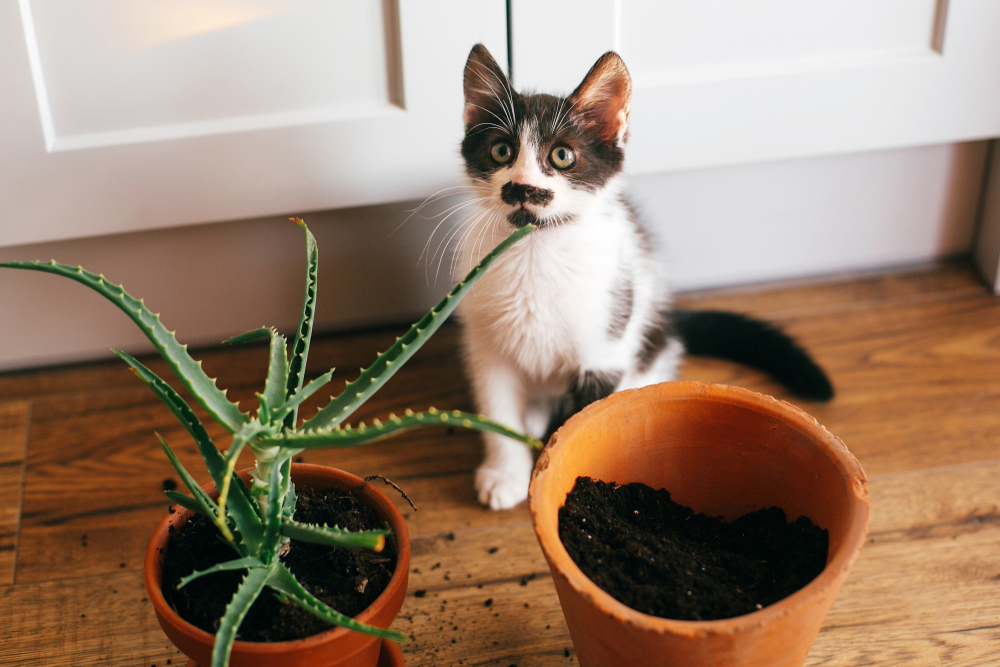
While the Areca Palm doesn’t contain any poisonous substances, there are still a few things to keep an eye on if you have a curious cat roaming around. Try not to leave any trimmed or fallen leaves lying around the house. Cats might be tempted to chew on them, and smaller pets especially could accidentally choke on the fibrous bits. Plus, even though they aren’t toxic, munching on leaves can sometimes give your kitty a bit of an upset stomach.
The good news is that most cats won’t pay much attention to an Areca Palm anyway. You really only need to be cautious if you know your cat is a “plant nibbler” who goes after everything green instead of sticking to their own cat grass. You know your pet’s habits best!
Setting Up Your Areca Palm for Success
Finding the right spot for your palm is key—not just for the plant’s health, but for safety too. You’ll want to make sure the location meets the Areca Palm’s specific needs. It’s also a smart move to place it somewhere it won’t get knocked over during a case of the “zoomies.” Putting it on a slightly elevated stand or using a heavy, sturdy pot can help keep it upright. Just make sure the pot itself isn’t top-heavy; if a cat manages to tip a heavy planter over, they could get hurt.
Here is the kind of environment the Areca Palm loves:
- A bright spot with plenty of light, but no direct, scorching sun
- A warm, draft-free area
- Humidity (they aren’t fans of super dry air!)
During the summer, you can definitely move your Areca Palm outside. Just wait until the temperatures are consistently above 65°F (18°C), as these palms are pretty sensitive to the cold. When it gets hot out, make sure to water your palm regularly so the root ball never completely dries out. They prefer soft water, so rainwater is perfect. If you’re using tap water, just let it sit out for a day or two before using it to give your plant the best care possible.