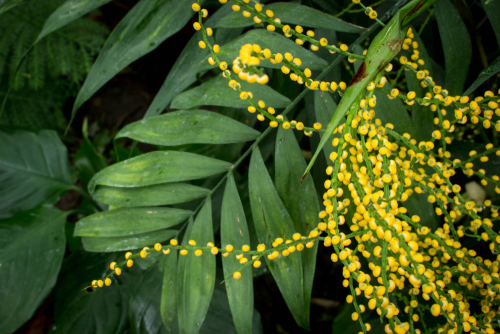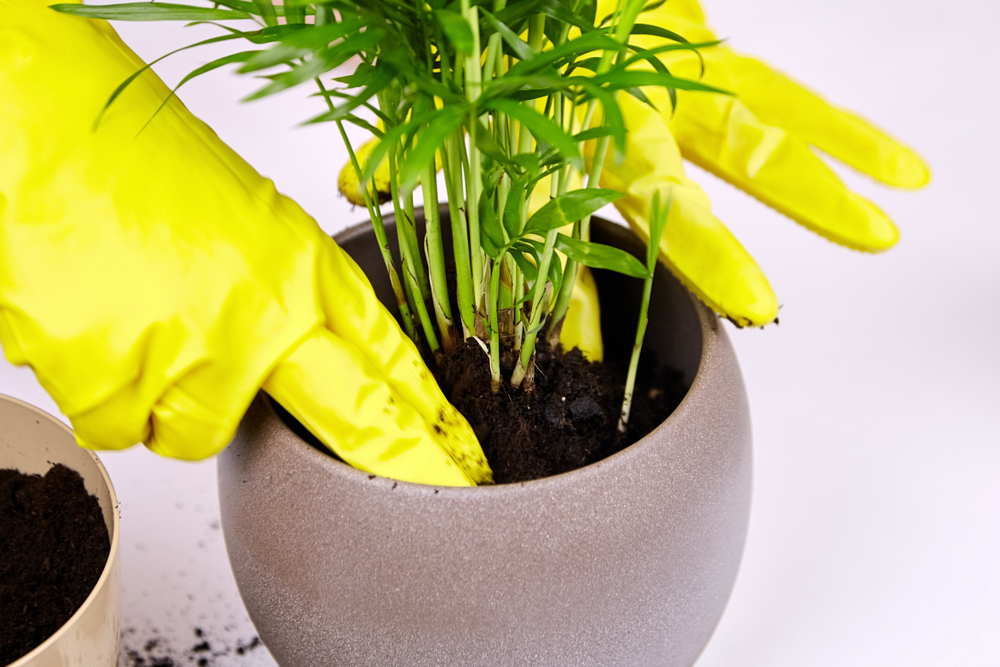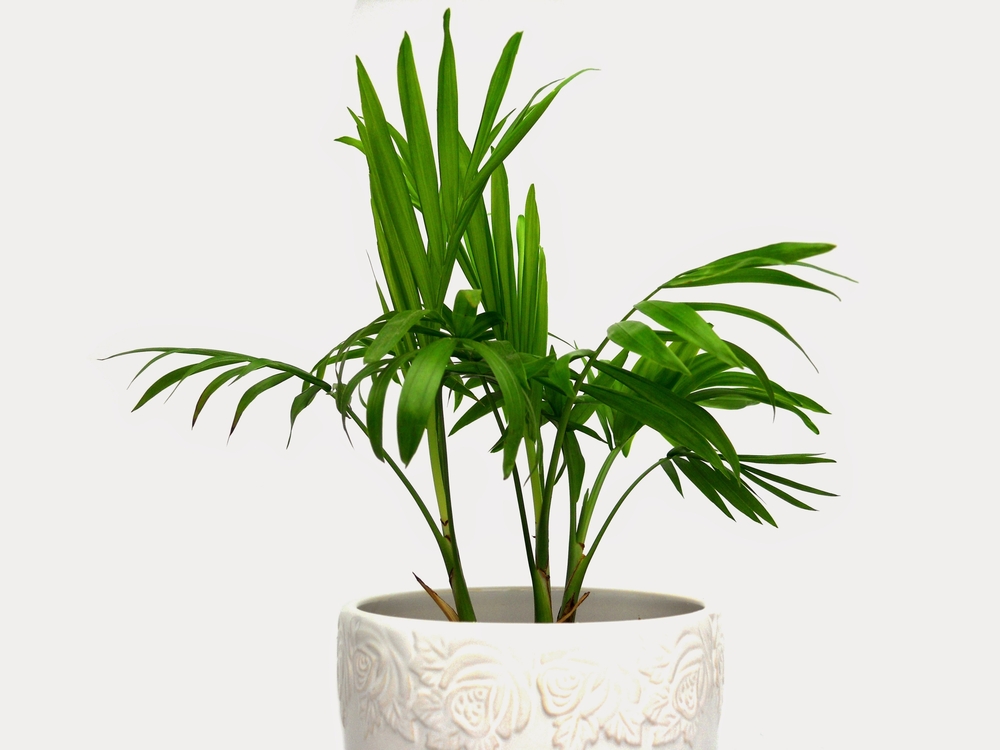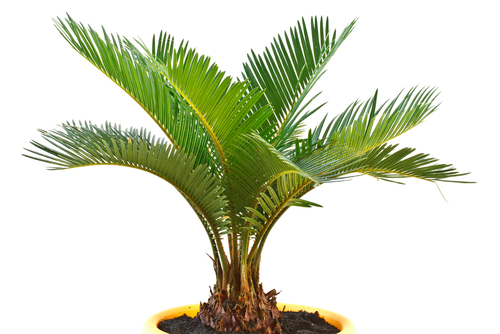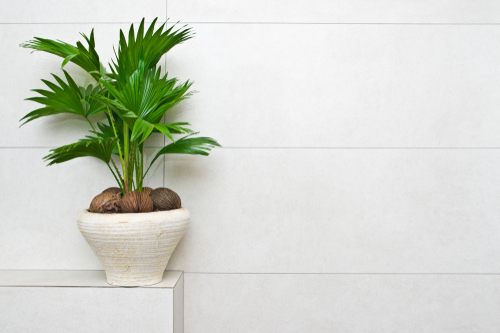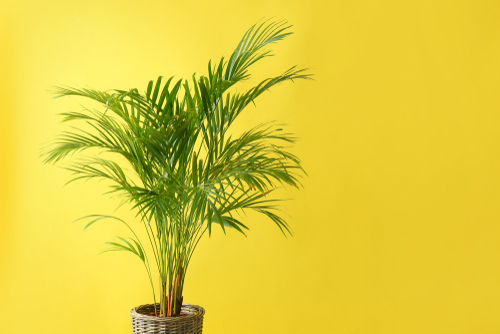
Parlor palms are a total classic for living rooms, sunrooms, and even patios. They’re super easy to care for and those beautiful, feathery fronds instantly give off those relaxing Mediterranean vibes. However, I know a lot of pet parents hesitate to bring one home because there’s a lot of conflicting info out there about whether they’re toxic to animals.
Are Parlor Palms Actually Toxic?
To be honest, the jury is still out on whether the parlor palm (Chamaedorea elegans) contains actual toxins. You’ll find some plant lovers who swear they’re toxic and others who say they’re perfectly fine.
Many garden experts categorize the parlor palm as “mildly toxic.” The theory is that they contain saponins stored in the roots and leaves. If a pet decides to make a meal out of the plant and eats a large amount, those saponins can lead to an upset stomach or digestive issues.
On the flip side, the University of Zurich maintains a very reputable database of poisonous plants, and the parlor palm isn’t even on their list. Because of that, many pros consider it a safe bet for your indoor jungle.
Living with Your Parlor Palm
These palms are pretty versatile and thrive both indoors and out. They love a bright spot, but keep them out of direct sunlight so their leaves don’t scorch. If you have cats, you might want to keep your palm on a high shelf or in a room they can’t access. We all know cats love to nibble on anything green and grassy! Since parlor palms likely contain those saponins, eating a bunch of fronds is a recipe for a tummy ache and some messy digestive problems.
Plus, your palm won’t be too happy about being a snack, either. Cat nibbles can make the plant look pretty ragged, and if they damage the “growing point” (the center of the palm), the whole plant could actually die.
If you have babies or toddlers crawling around, it’s also a good idea to keep the palm out of reach. Those pots can be surprisingly heavy, and you definitely don’t want one tipping over on a little one. Kids also love to explore with their mouths. Even if the plant isn’t “poisonous” per se, the bitter taste alone can be really unpleasant for a baby and might cause some vomiting or diarrhea. My advice? Place the plant somewhere inaccessible and stay on top of picking up any fallen leaves.
Other “Palms” to Watch Out For
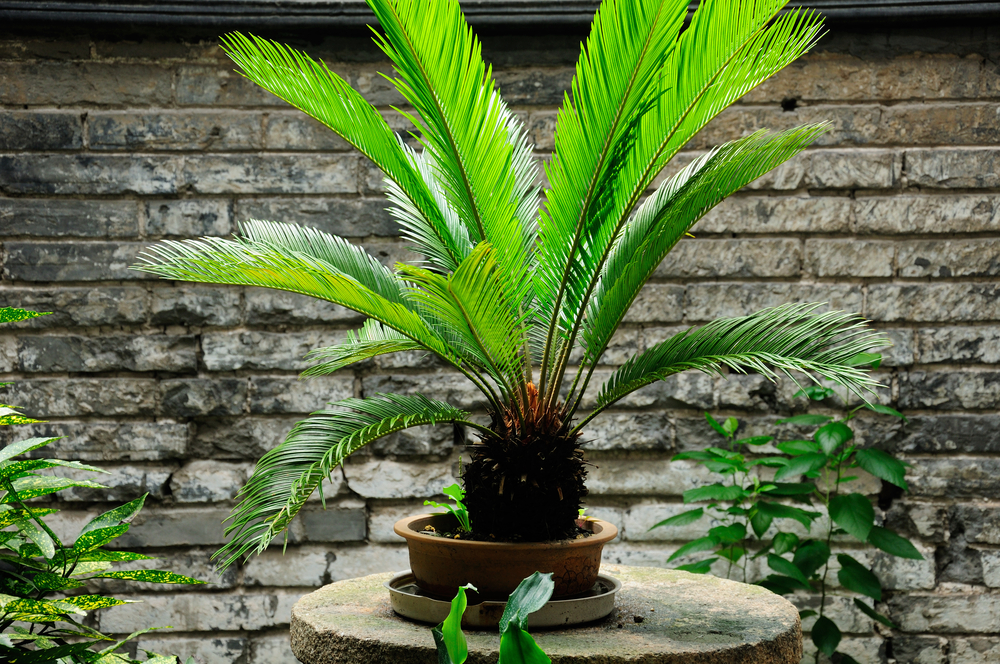
While the parlor palm is generally safe, there are a few other popular “palms” (or plants that look like them) that you should be more careful with:
- Yucca Palms: Toxic to pets.
- Madagascar Palms: Toxic to both humans and animals.
- Dragon Trees (Dracaena): Mildly toxic.