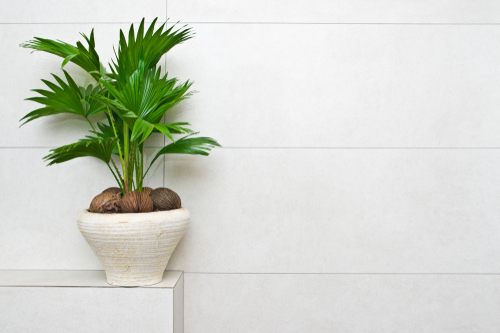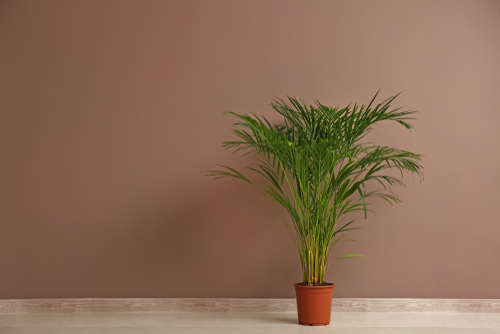
With so many different species of palms and palm-lookalikes out there, there isn’t a one-size-fits-all rule when it comes to toxicity. My best advice? Always do a quick double-check on the specific species before you bring a new leafy friend home.
Safe, Non-Toxic Palms
If you’ve got curious kids or pets running around, finding non-toxic houseplants is a top priority. We all know we can’t keep an eye on them every second, and sometimes a leaf looks a little too much like a snack! The good news is that most “true” palms are generally safe for households with little ones and furry friends.
Here are a few great options:
- Chilean Wine Palm (produces edible fruit)
- Canary Island Date Palm (fruit isn’t tasty, but it’s not toxic)
- Fishtail Palm
- Pindo Palm (also known as the Jelly Palm)
- Coconut Palm
- Cast Iron Plant (technically not a palm, but very palm-like and safe!)
- European Fan Palm
- Areca Palm
- Kentia Palm
If you take good care of a Chilean Wine Palm, it might even reward you with edible fruit. On the flip side, while the fruit from a Canary Island Date Palm won’t win any taste tests, it won’t hurt anyone either. Fishtail palms are absolute showstoppers in the garden, and Pindo palms are famous for their delicious, jelly-making fruit.
The Coconut Palm is a total head-turner whether it’s on your patio or in your living room; it’s a slow grower and completely non-toxic. If you’re a beginner, I highly recommend the Cast Iron Plant—it’s incredibly hardy and safe. One quick heads-up: while the European Fan Palm isn’t poisonous, it does have sharp thorns that can scratch kids or pets, so you might want to skip that one if you have a busy household.
The Areca palm can be a bit of a diva indoors since it craves 60% humidity and temperatures above 70°F. If you want something easier, the Kentia palm is a classic, low-maintenance choice that looks beautiful.
Toxic Palms and Lookalikes
Unfortunately, some palms (and plants that look like them) can be dangerous. The toxicity levels range from “mild tummy ache” to “highly dangerous,” so these are best avoided if you have pets or toddlers.
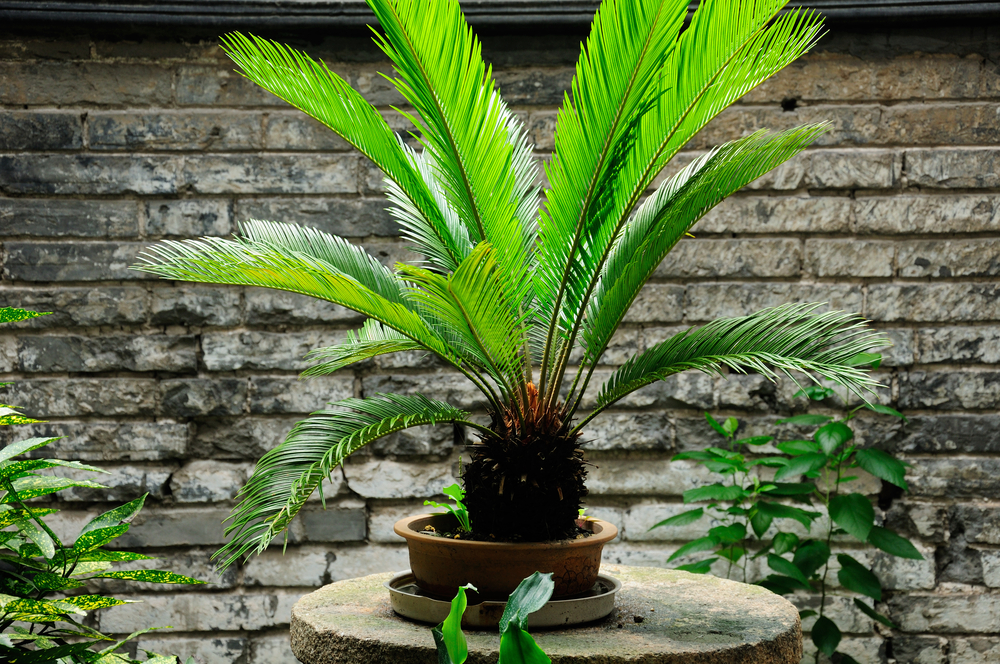
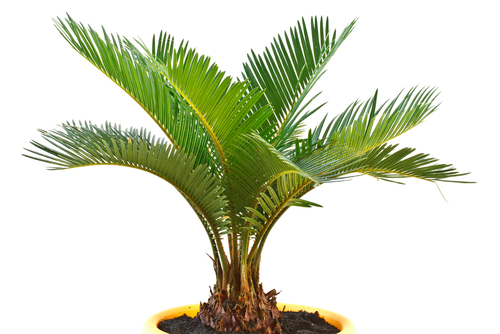
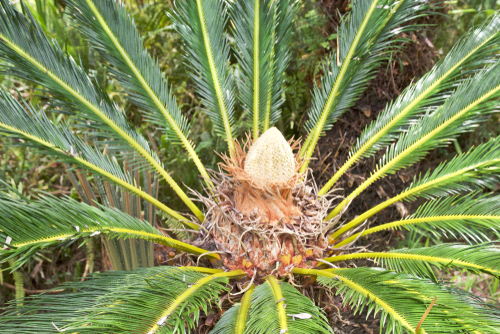
- Sago Palm: This is a big one to watch out for. It’s actually a cycad, not a true palm, and it is highly toxic. The seeds and roots contain cycasin, which is incredibly dangerous—even fatal—for pets.
- Croton: While often grouped with tropical palms, the leaves of the Croton are mildly toxic.
- Madagascar Palm: This one is actually a succulent, not a palm, and it’s covered in sharp thorns. Even worse, its sap is highly toxic and can irritate your skin, so handle it with care (or not at all!).
- Yucca: Often called a “Yucca Palm,” these are actually lilies. They contain saponins, which aren’t usually a big deal for humans but can be quite toxic to pets if ingested.
- Dragon Tree (Dracaena): Much like the Yucca, the Dragon Tree contains saponins, making it mildly toxic to your four-legged friends.