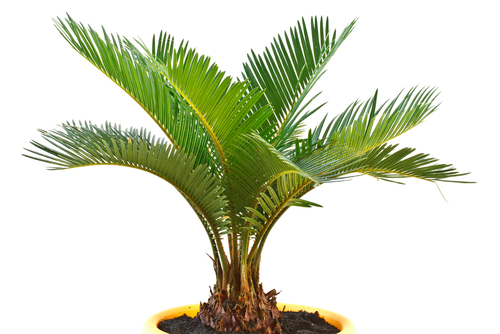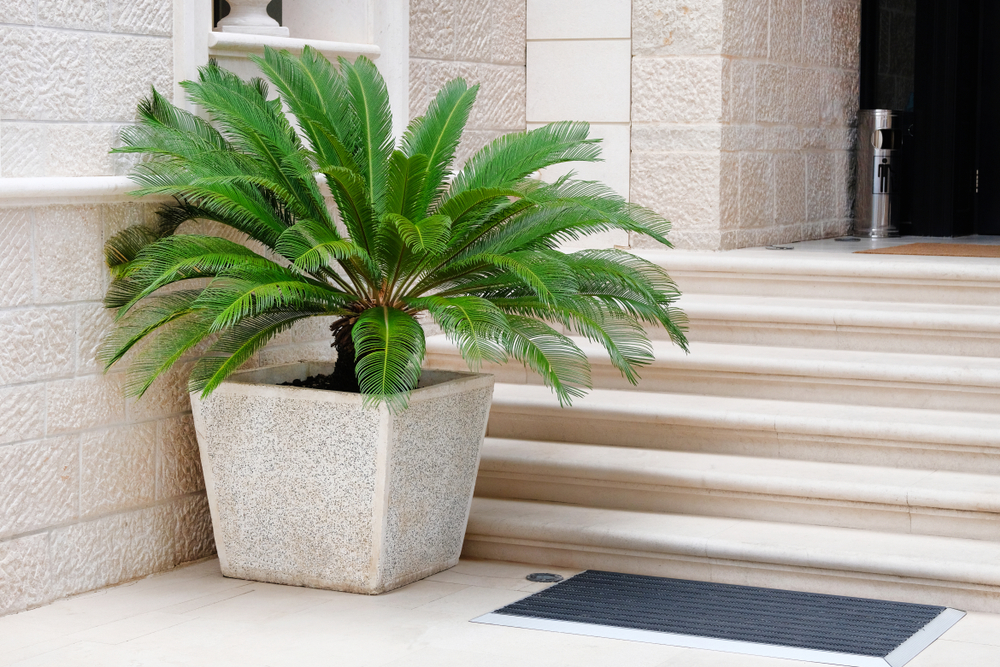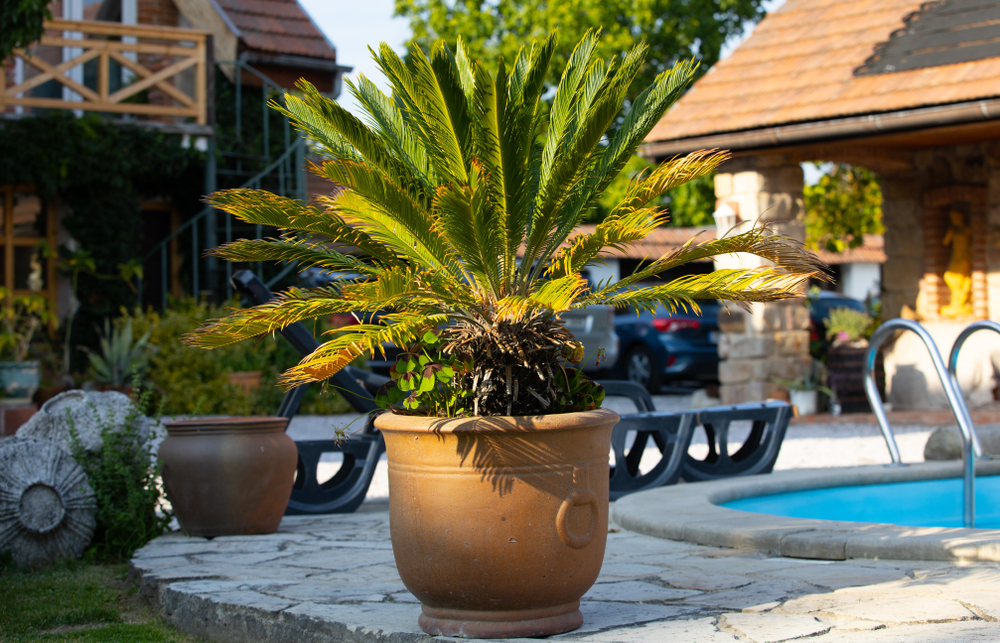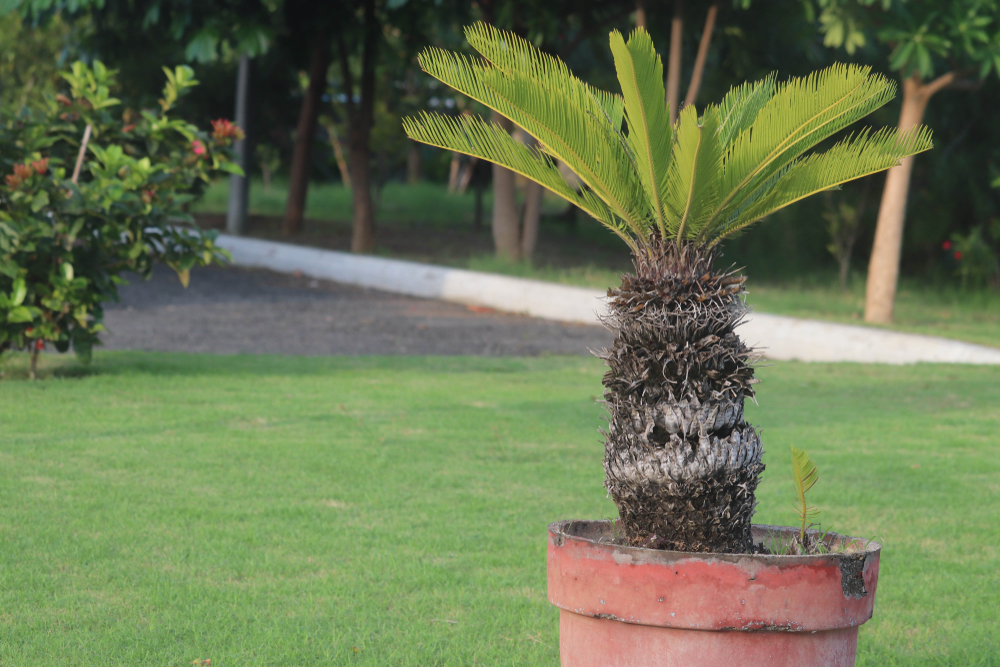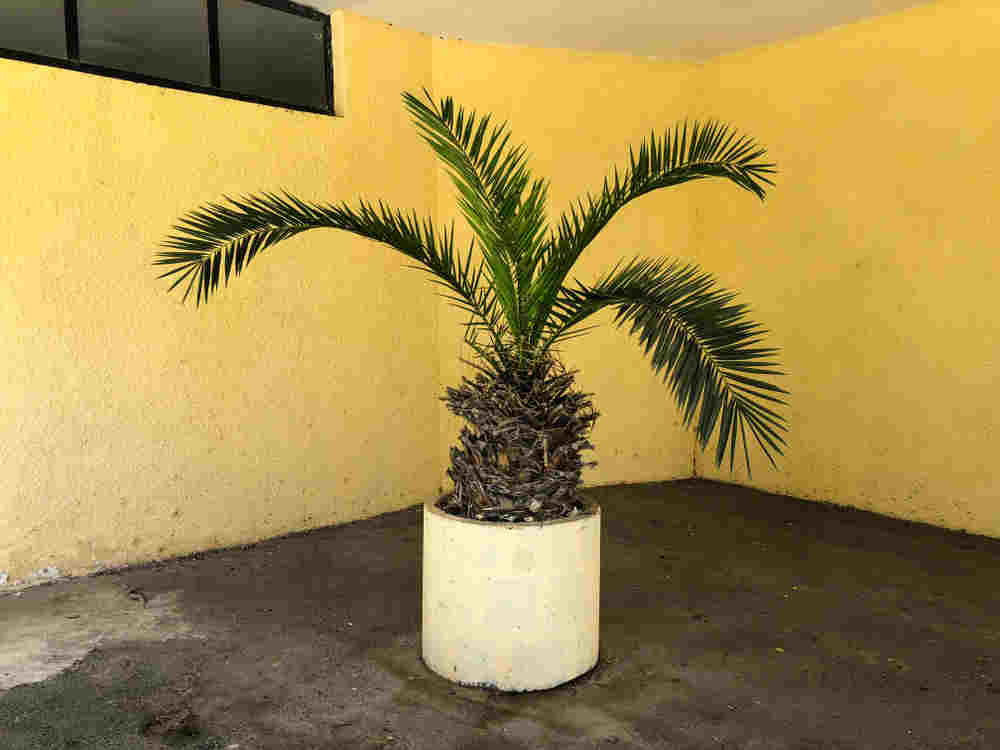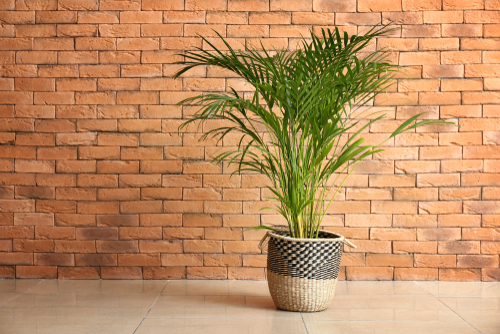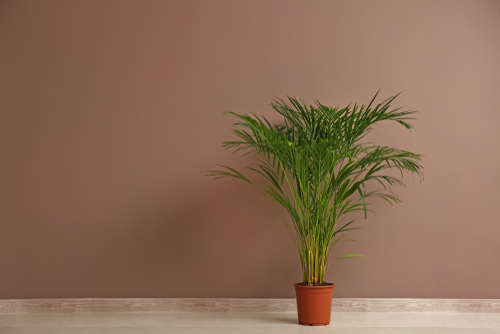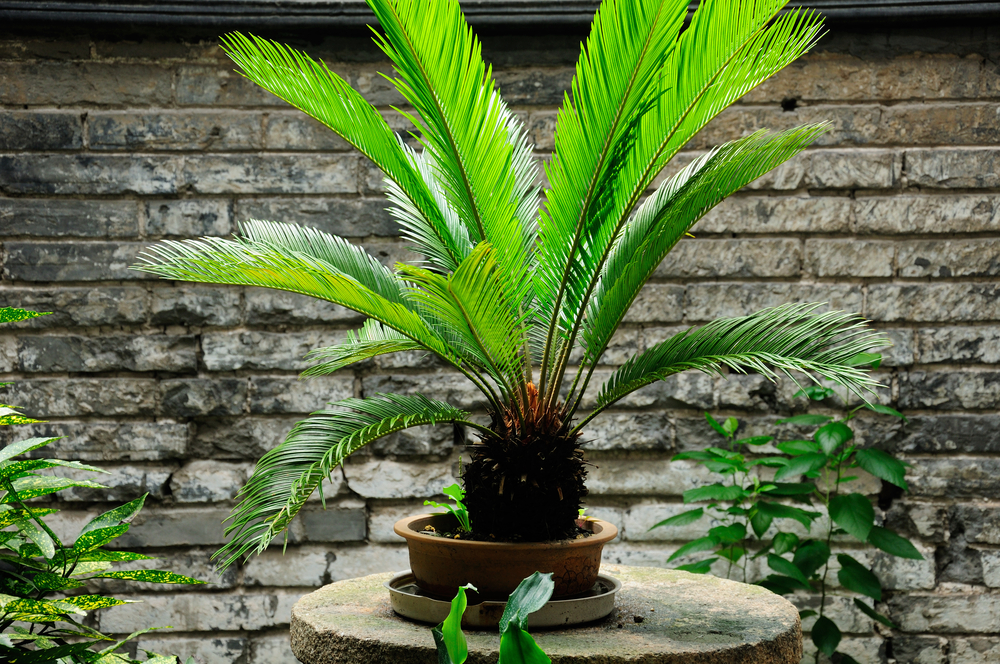
Date palms are super popular houseplants, and for good reason—they’re low-maintenance enough that even if you’re a total beginner, you can totally pull it off in your living room. If you’ve got a balcony or a patio, your palm will love spending its summer vacation outdoors. While they rarely produce fruit when grown indoors, the good news is they aren’t toxic at all.
Is the Date Palm Dangerous?
The short answer is no: date palms don’t contain any toxins, whether you’re looking at the leaves or the fruit itself. This non-toxic ornamental plant is perfectly safe to grow at home, even if you have curious kids or pets running around. Keeping a date palm in your living room or sunroom adds a gorgeous exotic vibe that always catches the eye. Just keep in mind that under indoor growing conditions, it’ll never reach its natural height of 60+ feet, and fruit is a rare sight. If it does fruit, the dates are golden-yellow and a bit smaller than the ones you find at the grocery store. Unlike “true” commercial dates, these aren’t really edible, but they aren’t poisonous either.
One thing to watch out for, though, is the physical side of the plant. The leaf tips can be quite sharp, and there are actually thorns that grow near the base of the fronds. The rough trunk can also cause a scrape if a child bumps into it, and those thorns can be a hazard for pets if they try to chew on them. Your best bet is to place the palm somewhere it won’t be easily bumped into.
Growing Date Palms Indoors
When you’re growing a date palm inside, make sure you pick a sturdy, heavy pot. These plants can get pretty top-heavy and wide as they grow. You definitely want to make sure it’s stable so kids or pets can’t accidentally knock it over—a falling palm is no joke!
Ideal Location and Soil for Indoor Palms
Date palms are tropical at heart, which means they live for sun and warmth. Here’s what you need to keep yours happy:
- A spot with tons of bright, natural light
- Comfortable room temperatures
- Plenty of elbow room for those wide-spreading fronds
- Consistently moist (but not soggy!) roots
- A sunny, sheltered spot on the patio during summer
- A cooler “winter break” at around 60°F (15°C)
For soil, these palms need something that drains well. A great DIY mix is equal parts potting soil, sand, palm mix, and a little fresh compost. I also highly recommend adding a drainage layer of gravel or clay pebbles at the bottom of the pot to make sure water doesn’t sit around the roots.