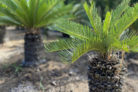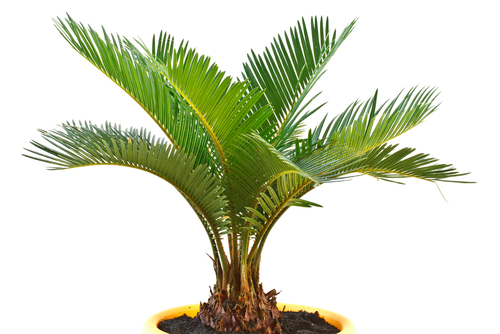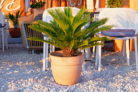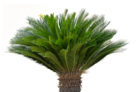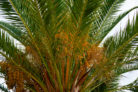
The Date Palm (Phoenix palm) is a world traveler that’s become a total staple for indoor gardeners everywhere. While these palms are generally tough cookies and pretty easy to care for, they aren’t invincible. Every now and then, they can run into trouble with pests or diseases.
Common Issues and Pests for Your Date Palm
Your palm isn’t naturally “sickly,” but if it’s sitting in the wrong spot or missing out on proper care, it becomes a magnet for trouble. Here’s what you should keep an eye out for:
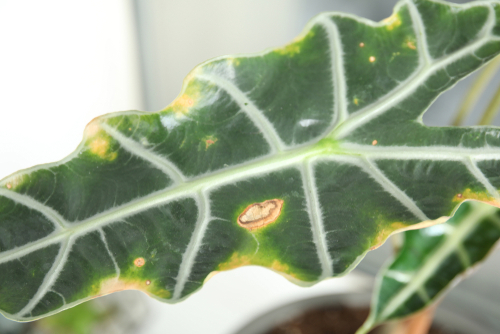
- Dried-out leaves from sunburn
- Crispy tips due to low humidity
- Fungal infections
- Mealybugs and scale insects
- Spider mites
Sunburn and Dryness
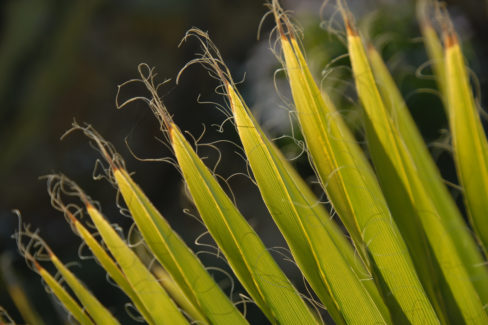
Date palms absolutely love bright light, and they’re happy to vacation outdoors during the summer. However, you’ve got to be careful with direct, scorching midday sun. Too much intense light will leave you with brown, dried-out fronds. If you notice this happening, the fix is simple: move your plant to a spot with filtered or indirect light immediately.
If you’re seeing brown, crispy tips on the fronds, your palm is likely thirsty for humidity. This is super common in the winter when our heaters dry out the air. To help your palm breathe, try using a room fountain or giving it a regular misting with a spray bottle.
Fungal Infections
If you spot black residue or weird little bumps forming on the fronds, you’re likely dealing with a fungus. If it’s just a couple of leaves, you can usually just snip them off and be done with it. But if it’s spreading, you’ll need to grab a fungicide. Just follow the instructions on the label and give the whole plant a thorough treatment a few times to clear it up.
Mealybugs and Scale
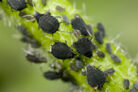
Notice some white, cotton-like fluff on the leaves? Those are mealybugs or scale insects. If you catch them early, you can just wipe them away with a cloth dipped in rubbing alcohol. For a bigger “infestation situation,” mix up a spray using water, a little rubbing alcohol, and some mild dish soap (or insecticidal soap). Spray the plant every three days for a couple of weeks until the uninvited guests are gone.
Spider Mites
During the winter months when the heat is cranking, spider mites love to move in. These guys are so tiny you can barely see them, but you’ll definitely notice the fine, silky webbing between the fronds. They thrive in dry air, so they’re basically a sign that your room is too parched.
Since spider mites hate moisture, your best defense is to boost the humidity. Mist your palm with filtered water, or set up a humidifier or a pebble tray nearby. Keeping the air moist is the best way to tell these mites to take a hike!