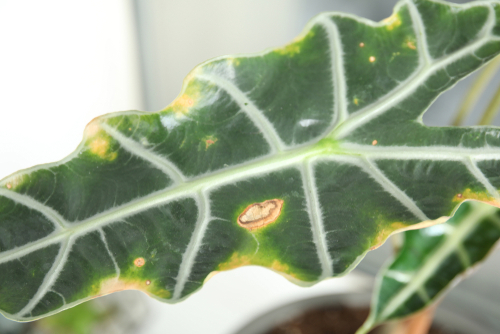
Indoor palms are usually pretty tough, low-maintenance roommates. But here’s the thing: you’ve got to know what your specific palm variety needs. If you ignore their preferences, you’re basically rolling out the red carpet for pests and diseases.
Common Indoor Palm Pests and Diseases
When we slip up on plant care—like not giving them enough sunlight or letting the air get too dry—our palms can get stressed and sick. Here are the usual suspects you might run into:
- Spider mites
- Scale insects
- Red spider mites
- Sooty mold
- Graphiola leaf spot (Phoenix leaf spot)
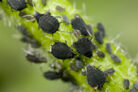
- Aphids or thrips
- Mealybugs
Spider Mites and Red Spiders
If you notice the fronds turning yellow and see tiny, delicate webs on the undersides of the leaves, you’re likely dealing with spider mites (or their cousins, the red spider mites). These guys love the dry air caused by indoor heating in the winter. If you don’t step in, they can actually kill the plant. A good DIY fix is spraying the plant consistently with a mix of water, a little dish soap, and a splash of neem oil.
To keep them away in the first place, try boosting the humidity. Mist your palms regularly or set out some water trays nearby to keep the air moist.
Scale Insects
If your palm’s fronds are looking pale and you spot small, bumpy insects clinging to the undersides, that’s scale. For a quick fix, you can pick them off by hand or give the plant a good rinse in the shower. Some gardeners swear by dabbing them with a bit of mineral oil. If the infestation is really out of control, you might need a systemic insecticide. This gets absorbed by the plant, making the sap toxic to the bugs.
Sooty Mold and Phoenix Leaf Spot
Finding a black, soot-like coating on your palm fronds? That’s likely sooty mold. This fungus actually grows on the sticky “honeydew” left behind by pests like aphids or scale. Step one: check for bugs! You can wash the mold off and treat the pest problem with home remedies. Just be sure to prune any heavily infected leaves and toss them in the trash (not the compost!).
If you see small, wart-like pustules on the fronds of your Date Palm, you’re probably looking at Graphiola leaf spot. In this case, your best bet is a targeted fungicide spray.
Aphids and Thrips
These pests usually announce themselves with pale, silvery, or yellowish spots on the fronds. A strong blast of water in the shower is a great first line of defense. If they keep coming back, try a natural insecticidal soap or, as a last resort, a store-bought insecticide.
Mealybugs
If you see what looks like tiny tufts of white cotton hiding under the leaves, you’ve got mealybugs. These little guys suck the life right out of the plant’s sap. A systemic treatment is usually the most effective way to clear them out for good.