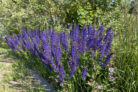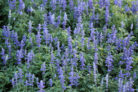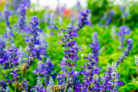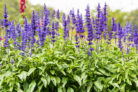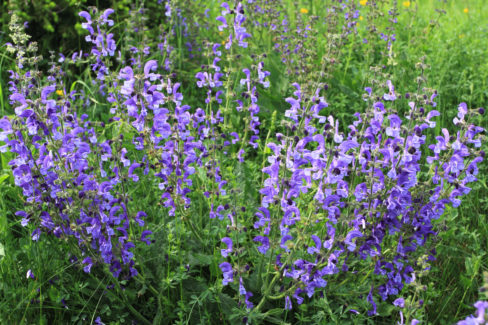
The vibrant, punchy colors of Meadow Sage (or *Salvia pratensis*) are exactly why this plant is popping up in more and more backyards lately. It’s a total rockstar for pollinator gardens, but honestly, it looks great in just about any flower bed. If you haven’t paid much attention to its blooming schedule before, you’re in for a treat this summer!
How Long Does the Blooming Season Last?
As soon as the threat of frost passes, Meadow Sage starts getting ready for its big debut. Usually, you’ll see those first buds opening by May at the latest. If you live in a warmer climate or we have a particularly mild spring, you might even see some color as early as April. The best part? This plant has some serious staying power—it keeps pumping out flowers all the way through August.
Pro tip: If you’re diligent about deadheading (cutting back those faded flower spikes), the plant saves its energy and will often reward you with a second flush of blooms later in the season.
Quick Tip:
Leave a few spent flowers on the stalks if you want to harvest seeds for your own sowing or if you’re hoping the plant will self-seed and spread naturally throughout your garden.
What the Blooms Look Like
Meadow Sage is part of the mint family (Lamiaceae), which you can tell by the distinct shape and arrangement of its flowers.
- It sends up long, sturdy flower stalks.
- Dozens of small “lipped” flowers (up to 0.6 inches) open along the stem.
- The flowers grow in sticky whorls (circles around the stem).
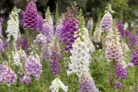
- Depending on the variety, colors range from crisp white and soft pink to deep blue-violet.
- The flower crown usually has a cool, sickle-shaped curve.
- The blooms have a lovely, subtle fragrance.
Meadow Sage is packed with essential oils, which is why the leaves are often used in traditional herbal remedies. But the flowers are just as valuable when it comes to your garden’s ecosystem. They are a favorite snack for bumblebees, which are the plant’s main pollinators.
The Right Spot Guarantees a Flower Explosion
If you tuck your Meadow Sage away in a shady corner, don’t expect much of a show. In the shade, you might get a few “sterile” blooms, but that’s about it. To really get that “wow” factor, you need to find a location with full sun. And don’t worry if you’re short on yard space—Meadow Sage grows and blooms beautifully in large pots, too. Just make sure the roots aren’t sitting in soggy soil. A nutrient-rich, slightly alkaline (lime-heavy) soil is the secret recipe for maximum flowers.
Quick Tip:
If you’ve fallen in love with this beautiful wild herb, you’ll find plenty of extra details in our plant profile.