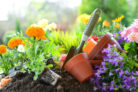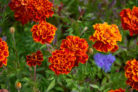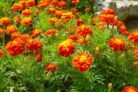
When it comes to non-stop blooming power, it’s hard to beat Marigolds (Tagetes). These garden workhorses have incredible stamina, keeping their vibrant flowers glowing in the sun for weeks on end. And here’s a little pro tip: you can actually squeeze even more flower power out of your season just by giving them a bit of a head start!
Marigolds: The Stars of the Summer Garden
Since Marigolds are not winter-hardy in our neck of the woods, they usually live a short but glorious life in the flower bed. While there are a few rare varieties where overwintering might be worth the effort, for most of us, they are annual treats. But don’t let that “short life” fool you—these plants are a feast for the eyes because they spend almost their entire lives in bloom, minus those first few weeks of growing up.
If you sow your seeds directly into the garden in late April, you’ll usually see the first flowers pop in June. They’ll keep going strong until the first frost hits, typically around late October. Each individual flower lasts about three weeks before it starts to fade, but don’t worry—there’s always a fresh batch of buds right behind it.
Quick Tip:
To get the most bang for your buck, remember that these Mexican natives love the sun. The sunnier the spot, the more flowers you’ll get! They’ll still do okay in light partial shade, but full sun is where they really shine.
Get a Head Start with Indoor Sowing
You can’t really rush the outdoor planting time for Marigolds. Because they’re sensitive to frost, you shouldn’t put them in the ground until mid-May when the threat of a freeze has passed. However, if you want flowers the moment they hit the soil, you can start them indoors.
For sowing, you can use seeds you saved from last year’s garden or just grab a fresh seed packet from the store.
- Start your seeds indoors around late February or early March.
- Barely cover them with soil—Marigolds need light to germinate.
- Once they’ve sprouted, prick them out into individual pots while they’re still inside.
Keep Things Fresh by Deadheading
Old flowers losing their petals aren’t exactly a looker. But beyond aesthetics, there’s a practical reason to grab your garden shears: deadheading. By cutting off faded blooms, you tell the plant to stop putting energy into making seeds and focus on pumping out new buds instead. Just leave a few spent flowers on the plant toward the end of the season if you want to grow them yourself again next year.
From the Garden to the Plate
The blooming season isn’t just a treat for your eyes—it can be a treat for your taste buds, too! Both the flowers and leaves are edible. While some varieties can be a bit bitter, others—like the Signet Marigold (Lemon Gem)—have a wonderful citrusy aroma that’s perfect for garnishing salads or desserts.