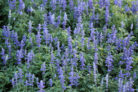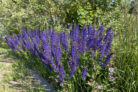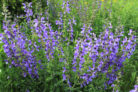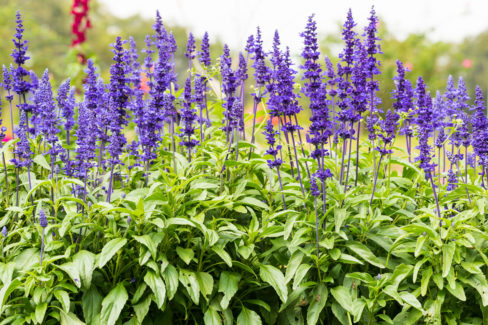
In the wild, meadow sage (also known as *Salvia pratensis*) spreads easily by dropping its own seeds. Sometimes, this hardy wildflower even finds its way into home gardens all on its own! But you don’t have to sit around and wait for nature to take its course. If you’re dreaming of those vibrant purple blooms, you can easily grab some seeds and plant them exactly where you want them.
The Best Time to Plant
There isn’t just one “perfect” moment to sow meadow sage. Since this plant is a perennial, you actually have two great windows of opportunity every year:
- Late summer
- Spring
How to Sow Your Seeds
You can collect seeds from wild plants, harvest them from established garden specimens, or buy them from a nursery—especially those that focus on native plants and pollinator-friendly gardening. Because meadow sage is totally winter-hardy, you can sow the seeds directly into your garden beds.
- Loosen the soil well to prevent standing water later on. If your soil is heavy, mix in some sand to improve drainage. Be sure to clear out any large rocks, weeds, or old roots.
- Sow the seeds thinly, either in neat rows or by scattering them across the area.
- Lightly cover the seeds with just a thin dusting of soil.
- Give them a gentle watering using a fine spray nozzle so you don’t wash the seeds away.
- Keep the soil consistently, but moderately, moist.
Thinning Out Your Meadow Sage
Once your little seedlings start popping up, you’ll want to thin them out (prick them) so they are spaced about 12 to 20 inches apart. Meadow sage looks fantastic in a dedicated herb garden, but it’s also a great way to add a pop of color to a perennial border. Make sure your location is very sunny; plenty of light is the secret to a lush blooming season. In shady spots, the plant will struggle and likely only produce a few sterile flowers.
Pro Tip:
Choose your spot carefully! Meadow sage grows a long taproot, which makes it very difficult to transplant successfully once it’s established.
Starting Seeds Indoors
If you want to get a head start by growing meadow sage indoors, you certainly can, though it doesn’t offer a huge advantage. This plant grows so quickly on its own that it doesn’t really “need” the extra head start.
- Sow thinly in seed trays using a high-quality seed-starting mix.
- Thin the seedlings as they grow.
- Move them outdoors starting in mid-May (after the danger of frost has passed).
Note:
The uses for meadow sage are so varied that you might be tempted to keep it as a houseplant for year-round harvesting. Unfortunately, it’s just not built for life indoors. For more details on this versatile plant, check out our meadow sage profile.