Wondering when and how the Foxglove (or *Digitalis*, if you want to get fancy) shows off its stunning blooms? Since these beauties are biennials, their flowering cycle is a little different than your average perennial. Here’s the scoop on when they bloom and a clever little trick to keep them coming back for more.
The Foxglove Blooming Season
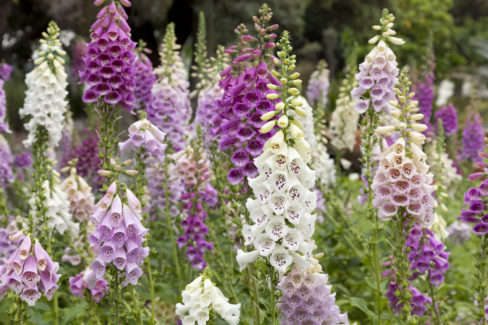
Foxgloves are classic summer bloomers, typically showing off from June through August. They have a really cool way of flowering: the bells open gradually from the bottom of the spike all the way to the top until the whole stem is glowing with color. By late August, the flowers start to fade. You won’t see any action in the spring, and by autumn, the party is pretty much over.
A Rainbow of Shapes and Colors
Depending on which variety you plant, Foxgloves come in a few different shapes and a gorgeous palette of colors. The most common shades you’ll run into are:
- Crisp White
- Deep Red
- Vibrant Purple
- Soft Yellow
The “Biennial” Life Cycle Explained
Foxgloves are usually biennial or short-lived perennials. This means they take two full years to complete their growth cycle.
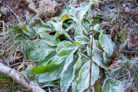
During the first year, don’t be disappointed if you don’t see any flowers! The plant is busy building a foundation, growing only a lush green rosette of leaves close to the ground. The magic happens in the second year when that tall flower spike finally shoots up. For many varieties, once they finish blooming that second year, the mother plant’s life cycle is complete.
A Pro Tip for Extra Blooms
Since Foxgloves are biennials, they usually bloom once and then drop their seeds to start the next generation before the mother plant dies off. But, if you’re not ready to say goodbye, there’s a little gardener’s trick to try and coax another year out of them.
As soon as the flowers start to fade and the stalk looks spent, cut the entire flower stem off. The key is to do this *before* the plant has a chance to develop seeds. This encourages the plant to put its energy back into the root system rather than seed production. If you’re lucky, the leaf rosette will survive the winter and send up brand-new flower spikes again next spring!