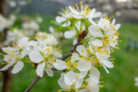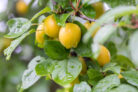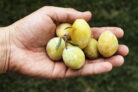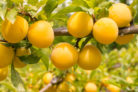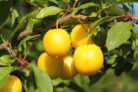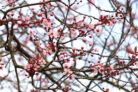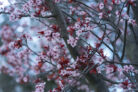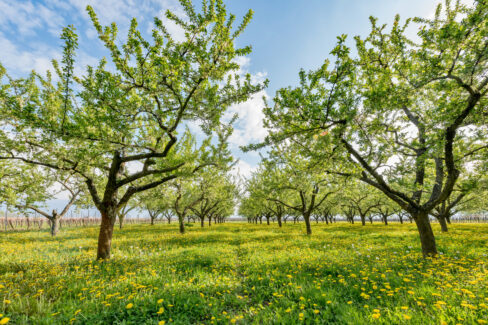
If you’re taking a stroll through your backyard around April or May, your Mirabelle plum tree should ideally be putting on a spectacular floral show. But what if those branches are looking a little bare? If your tree isn’t blooming during its peak season, it’s time to do a little detective work.
Let’s dive into why your Mirabelle might be holding back on the blossoms and what you can do to get it back on track!
Common Reasons Your Mirabelle Tree Isn’t Blooming
- The tree is still in its “youth”
- It needs a little more TLC (maintenance)
- The location isn’t quite right
The Five-Year Rule
If your Mirabelle is a newcomer to your garden, don’t panic if you don’t see a sea of white flowers right away. These trees usually take about five years to really settle in before they start blooming heavily. During this early stage, you’ll likely see very little fruit, too. It’s not that anything is wrong—the tree just isn’t “mature” enough yet to handle the energy demands of flowering.
Give Your Tree Some Love
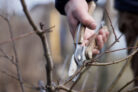
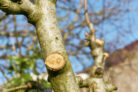
If you’ve got an established, adult tree that’s refusing to bloom, the issue might be its maintenance routine. While Mirabelle plums are generally pretty low-maintenance, they aren’t totally “set it and forget it.” To keep them happy, you should perform regular maintenance and rejuvenation pruning. By thinning out old branches and clearing out crowded growth, you ensure the tree gets plenty of sunlight and airflow. This extra “breathing room” is exactly what the tree needs to develop healthy buds and, eventually, juicy fruit.
Location, Location, Location
Is your tree mature and well-pruned but still acting shy? The problem might be its environment. Gardening is all about the right spot, and conditions can change over time. Maybe a nearby building or a fast-growing neighbor tree is now casting too much shade. Or, perhaps it’s been an unusually rainy year, or you’ve got a hidden pest problem—like voles snacking on the root system.
If the site conditions have gone downhill and there’s no way to fix the light or soil issues where it stands, your best bet might be transplanting the tree to a sunnier, happier spot in your yard.