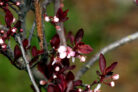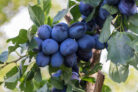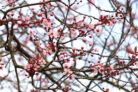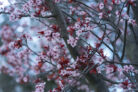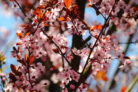
The Cherry Plum (also known as the Purple-Leaf Plum) is a real showstopper in the early spring garden. It kicks off the season with a gorgeous display of delicate blossoms that eventually turn into sweet, juicy fruit. By April at the latest, you’ll see those beautiful pink flowers popping up—and depending on the variety, they often steal the show before the signature reddish leaves even appear.
A slow and steady grower
This hardy deciduous tree is a great fit for many yards, reaching a height of about 23 feet. It develops a lovely round or conical canopy that can spread up to 20 feet wide. Sometimes, the Cherry Plum even grows with multiple trunks, giving it a unique, shrub-like character. It’s not in a huge rush to grow, though; with an annual growth rate of about 12 inches, it’s considered a relatively slow grower.
The bark on new shoots starts out a brownish-red, maturing into a deep blackish-brown over time. You might notice a few small thorns on the branches, too. The main trunk features thin, grey-black bark dotted with corky lenticels (those little pores that help the tree breathe).
Stunning wine-red foliage
The Cherry Plum gets its name from its striking wine-red leaves. They grow in an alternating pattern and have an oval to elliptical shape, usually reaching about 2.5 inches long. The tops of the leaves have a slight metallic shimmer that looks amazing in the sunlight. As the season goes on, the color deepens toward black, though if the tree is stuck in too much shade, the leaves might actually turn green.
A sea of bright pink blossoms
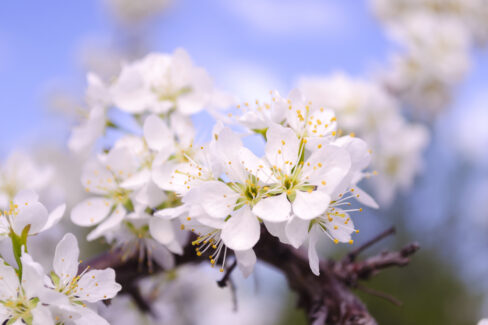
Before the leaves even think about sprouting, the Cherry Plum puts on a floral performance starting in mid-March. The blossoms are about an inch wide and range from white to a soft, pale pink. Because the color is so vibrant, it’s a magnet for pollinators like bees and butterflies. Some specific varieties are bred to produce even more intense, glowing pink petals.
Quick Flower Profile:
- Bloom time: March/April
- Flower color: White to pink
- Flower size: Approximately 1 inch
- Scent: Very faint to delicate
- Gender: Hermaphroditic (self-fertile)
- Pollination: Animal/Cross-pollination
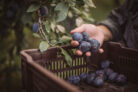
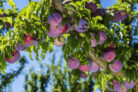
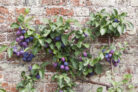
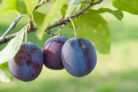
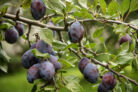
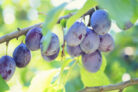
By September, the fruit is ready for picking! These fruits are slightly larger than cherries and have a wonderfully intense, sweet flavor. These plums are perfect for whipping up homemade jams or compotes. If you happen to have the wild variety, the fruit might look a bit more yellowish-red.
Finding the perfect sunny spot
If you want your Cherry Plum to thrive, give it plenty of sunshine. It can handle partial shade, but keep in mind that less light usually means fewer flowers. The good news? This tree is pretty tough and handles dry summers like a champ.
It’s also very frost-hardy and isn’t too picky about soil. That said, it’s happiest in loamy, lime-rich soil. The only thing it really dislikes is very poor, sandy soil, which can cause the tree to look a bit stunted.