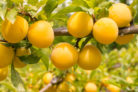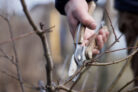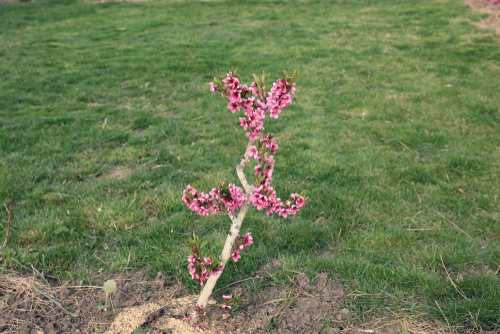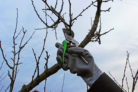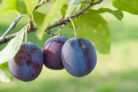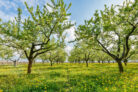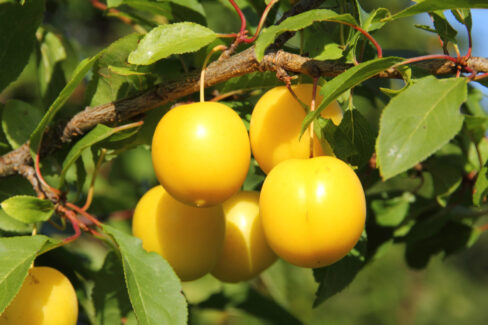
Mirabelle plum trees aren’t exactly giants, but they sure love to spread out! Their branches tend to grow in every direction, giving them a bushy, shrub-like look. If you want to enjoy a bountiful harvest of those sweet, golden fruits come summer, you’ve got to stay on top of your pruning game. Regular trimming is the secret sauce—it encourages new blossoms and makes sure your fruit gets plenty of sunlight and fresh air to ripen perfectly.
Understanding the Different Types of Pruning
Before you grab your shears and head out to the orchard, it helps to know which “mode” of pruning you’re in. Here are the four main types:
- Formative and Planting Pruning
- Maintenance Pruning
- Rejuvenation Pruning
- Fruiting Wood Pruning
As a home gardener, you probably won’t have to worry much about formative pruning. Most nurseries take care of this before you even buy the tree to establish its basic shape.
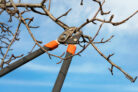
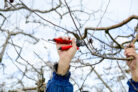
The one you really need to mark on your calendar is maintenance pruning. Once your tree hits its sixth year, this becomes a regular chore. The best time to prune your Mirabelle is right after it finishes blooming. This keeps the tree healthy and encourages it to grow new wood for next year’s fruit. During maintenance, your main goal is to clear out dead wood and any branches that are crossing or growing inward toward the trunk. Keep an eye out for “water sprouts”—those thin shoots that zoom straight upward. They suck a ton of energy from the tree without giving much back, so snip them off!
Rejuvenation pruning is for the “old-timers” in your garden. If you notice your tree has stopped putting out new growth, it’s time for a refresh in early spring. The goal here is to open up the canopy so light can reach the center again.
Finally, fruiting wood pruning helps manage the tree’s size and boosts bud production. Here’s a pro tip: prune weaker trees more heavily to stimulate growth, and go easier on the vigorous ones. Focus on removing branches that are hanging low toward the ground, as they usually don’t get the nutrients they need to produce great fruit.
Pro Tips for a Successful Trim
Pruning is essential for a happy Mirabelle, but you want to do it right. Here are a few things to keep in mind:
- Avoid pruning during the tree’s dormant phase—it needs active energy to heal those “wounds.”
- Remember: the more you cut, the stronger the new growth will be.
- Keep the canopy balanced. If one side is much higher than the other, those top buds will hog all the energy.
- Use the right tools and techniques. A jagged cut can invite disease or pests.
- When taking off heavy branches, don’t do it in one go. Leave a 10-inch “stub” first so the weight doesn’t cause the bark to tear down the trunk. Once the heavy part is gone, you can cleanly remove the remaining stub at the branch collar.
- Always cut just above an outward-facing bud. Don’t get *too* close, or the bud might dry out and die.
- Watch out for “v-forks” or narrow crotches. These upright side branches aren’t strongly attached to the trunk and are prone to snapping off under the weight of fruit or snow.