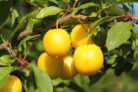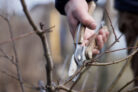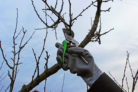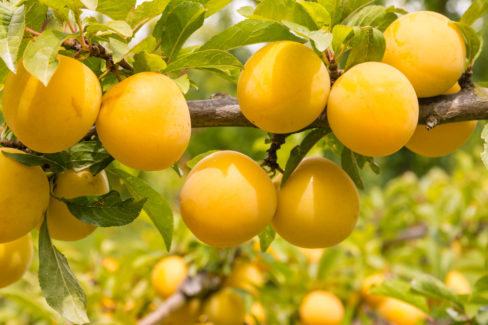
Mirabelle plum trees are famous for being fast growers. But here’s the thing: they tend to spread out wide rather than reaching for the sky. To keep your tree looking lush and to ensure a bumper crop of sweet fruit, regular pruning is a must. The secret to success? It’s all about the timing.
When to Grab Your Pruning Shears
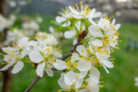
Mirabelle plums usually bloom in April and May. You’ll want to keep the shears away during this window so you don’t accidentally ruin the blossoms (and your future harvest!). You should also avoid pruning in the dead of winter, as open cuts during the cold, damp months can leave the tree vulnerable to fungal infections.
The “sweet spots” for pruning are either in the fall or just before the spring wake-up call in February or March. Also, keep an eye out for your backyard neighbors! If birds or other critters have nested in the branches, hold off on any major hacking. You can do minor touch-ups anytime, but big structural changes should wait until the guests have moved out.
The Different Types of Pruning
To keep a Mirabelle tree in tip-top shape, there are a few different techniques you’ll use throughout its life:
- The initial shaping cut
- Fruiting wood pruning
- Training (formative) pruning
- Maintenance pruning
- Rejuvenation pruning (for the “old-timers”)
The First Shaping Cut
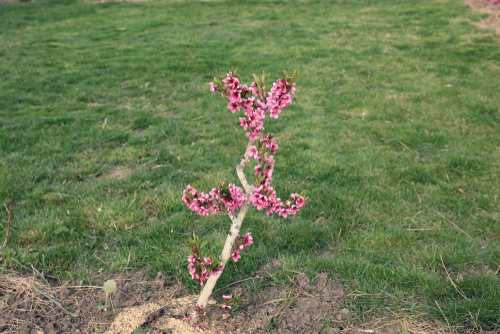
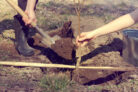
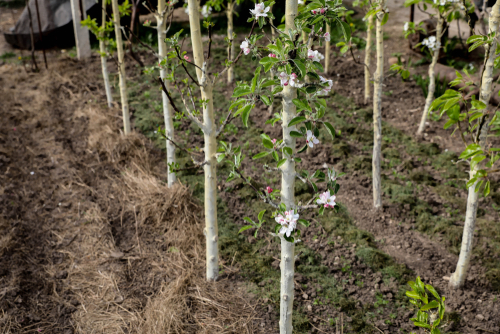
You should actually give your tree its first trim right after planting. This sets the foundation for its future shape. The goal here is to balance out the root system with the crown. If you’re feeling a bit nervous about this first step, don’t worry—you can often ask the pros at the nursery to handle this initial cut for you.
Training Your Tree
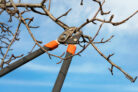
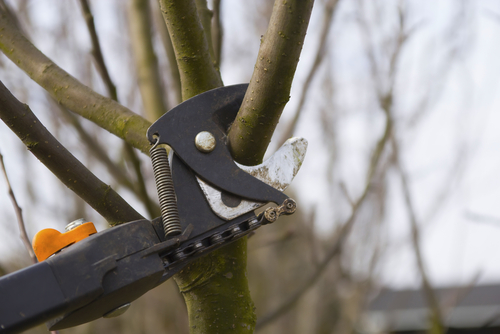
Once your tree has finished its first flowering season, it’s time for some “training.” This helps guide how the tree grows. You’ll want to shorten the main structural branches by about a third and completely remove any crowded or crisscrossing shoots. This is also the time to clear out “water sprouts”—those vertical, energy-sucking shoots—right down to the base. Try to leave the main central leader (the trunk’s upward extension) alone as much as possible.
Pruning for Fruit
If you have a fast-growing tree that’s all leaves and no fruit, a fruiting wood cut can jumpstart bud production. Here’s a pro tip: the weaker the tree, the more aggressively you should prune it. Conversely, if the tree is already vigorous, take it easy. Cut back old, “tired” branches to a point where you see a fresh new shoot or a healthy bud.
Maintenance Pruning
If you want a heavy harvest every year, you’ve got to keep up with maintenance. Once your tree is about five years old, start doing this annually after the blooming period. Thin out old, graying branches that are blocking sunlight from reaching the center of the tree. Sunlight is the “fuel” for your fruit! Again, make sure to snip off those vertical water sprouts at the base.
Rejuvenating an Older Tree
Is your old Mirabelle tree looking a bit thin or producing fewer plums? It might just need a “fountain of youth” treatment. A rejuvenation cut can breathe new life into an aging tree.
Don’t be afraid to be a little bold here. Remove the cluttered, old, and tangled branches to let the tree breathe. Even if it feels like you’re taking off a lot, Mirabelle trees are resilient. They handle radical pruning surprisingly well and will thank you with a burst of new growth and a much better harvest in the seasons to come.