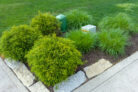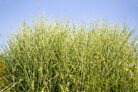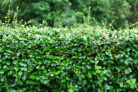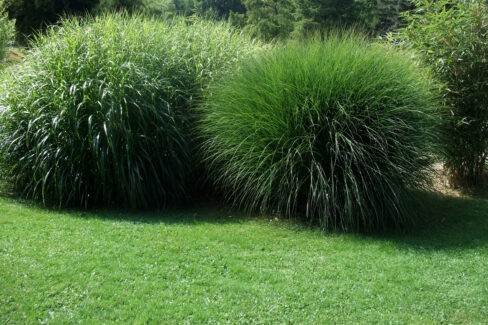
When it comes to planting new privacy screens, more and more gardeners are ditching traditional shrubs for ornamental grasses like Miscanthus—better known as Chinese Silver Grass or Maiden Grass. The big draw? It fills in much faster than a woody hedge and requires way less maintenance to keep it looking great.
The Right Spot
Chinese Silver Grass thrives in full sun but can handle a bit of partial shade. If you’re looking to plant on the north side of a building or in a deep, shady corner, this grass isn’t for you. In those dark spots, traditional hedge shrubs are still your best bet since they handle low light much better.
However, if you have a hot, sunny spot where typical shrubs tend to struggle or dry out, Chinese Silver Grass is the perfect candidate.
Prepping the Soil
The one thing this grass can’t stand is “wet feet” (standing water), so you’ll want to make sure your planting hole has good drainage. If you’re planting directly in the ground, a layer of coarse gravel works perfectly. You could use expanded clay pebbles too, but gravel is much more budget-friendly for a long hedge.
Dig your hole about twice as wide and deep as the root ball. Layer in your drainage material first, followed by some nutrient-rich compost. Set your plant in, fill it back up, and press the soil down firmly.
As for spacing, it really depends on the specific variety you chose and how quickly you want that “no-neighbors-allowed” privacy. One pro tip: I highly recommend that you plant your Chinese Silver Grass with a root barrier. While these clumps only expand by a few inches each year, they eventually need to be divided or thinned out. A root barrier makes the job of digging them up much easier down the road.
Maintenance & Care
Until your grass is fully established, make sure to give it a regular drink. While Chinese Silver Grass loves moderately moist soil, watering a whole hedge every day is a chore nobody wants. To make your life easier, keep a thick layer of mulch around the base to lock in moisture. That said, if you hit a long summer dry spell, definitely give your hedge a good soak.
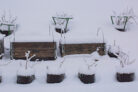
When fall rolls around, tie the grass stalks together in bundles. This prevents heavy snow from flattening the plants and keeps your garden looking tidy through winter. Wait until early spring—just before the new green shoots appear—to cut the old stalks back.
Every few years, you’ll want to dig up the clumps and remove any excess growth. This gives the remaining plants more room to breathe, resulting in taller, stronger stalks. Don’t let those extras go to waste, though! You can use them to start a new hedge elsewhere, plant them as beautiful focal points in your flower beds, or even pop them into large containers for your patio.