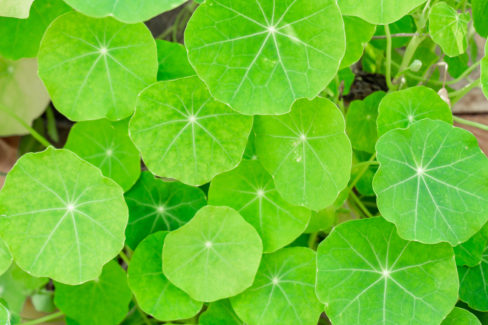
Nasturtiums are absolute showstoppers in the garden with their vibrant, cheerful blooms. But if your plants are looking a little lackluster and the flowers are nowhere to be found, it’s totally normal to feel a bit let down. Don’t worry, though! Usually, a few simple tweaks are all it takes to get them back on track. Here’s a quick guide on what to look for and how to fix it.
Checklist: Getting to the Root of the Problem
If your nasturtiums haven’t put out new buds in a while, it’s time to play garden detective. By checking a few key factors, you can usually spot the culprit pretty quickly. Take a close look at these three things:
- Is your plant getting the right location and light?
- Are you overdoing it with the fertilizer?
- How’s the soil quality looking?
Chances are, one of these is the reason your plant is being shy with its flowers.
Finding the Perfect Sunny Spot
Nasturtiums are true sun-worshippers. They thrive in full sun, though they can handle partial shade in a pinch. If they’re stuck in a shady corner, they won’t die, but they’ll definitely stop blooming. Your first move should be moving them to a sunnier spot. Just keep an eye on them—make sure they stay hydrated, and if it gets record-breakingly hot, a little afternoon shade won’t hurt.
Go Easy on the Fertilizer
If your nasturtiums are growing massive, lush green leaves but zero flowers, you’re likely dealing with “over-fertilization.” It sounds counterintuitive, but too much nitrogen tells the plant to focus on foliage instead of blooms. If this is happening, stop fertilizing immediately. Nasturtiums actually prefer “poor” soil and barely need any extra food to bloom. The only exception is if you have very sandy soil that struggles to hold any nutrients at all.
The Ideal Soil Conditions
When it comes to soil, less is often more. In a standard garden bed, a little bit of compost in the spring and plenty of summer sunshine is usually all they need to put on a show. Try to keep the soil consistently moist, but not soggy. If you find yourself watering more often than usual, try loosening the soil around the base. A quick hoeing every now and then ensures the water actually reaches the roots instead of just running off the surface.
The Bottom Line: Observe and Adjust
It’s definitely a bummer when your nasturtiums aren’t blooming, but it’s not the end of the world! Usually, the plant is just trying to tell you that something in its environment is a little off. Check your sun, soil, and feeding habits, make those small adjustments, and you’ll be enjoying those gorgeous blossoms again in no time.