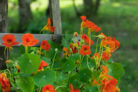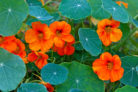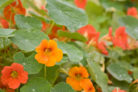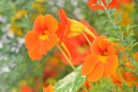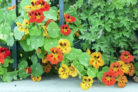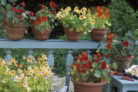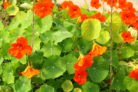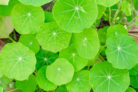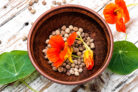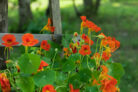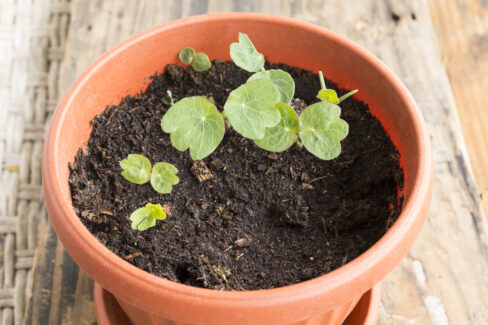
Nasturtiums are a gorgeous addition to any garden, but their season can feel a bit short since they usually only bloom through late summer. If you want to enjoy those vibrant flowers for as long as possible, I highly recommend starting your seeds indoors. Getting a head start on the growing season is the best way to maximize your bloom time!
What You’ll Need
The best part about starting nasturtiums is that you probably already have most of the supplies lying around the house. Here is your quick checklist:
- Nasturtium seeds
- High-quality potting mix or garden soil
- Small starter pots (about 2.5 inches in diameter)
- Plastic wrap
- Rubber bands
As you can see, it doesn’t take much to get these beauties growing before spring officially hits. You can find the right soil, pots, and seeds at your favorite local garden center.
Step-by-Step Guide: Getting Started
- Soak your seeds in a bowl of water for a few hours to help them sprout faster.
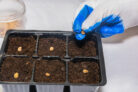
- Poke two to three seeds into the soil in each starter pot.
- Cover them with a thin layer of soil.
- Lightly mist the soil with water and cover the top of the pot with plastic wrap.
- Secure the plastic wrap with a rubber band to create a mini greenhouse effect.
- Find a bright, sunny spot indoors. They love a room temperature between 65°F and 72°F.
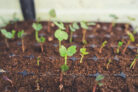
- You should see seedlings popping up after about three weeks. Just make sure to keep the soil consistently moist!
Moving Them Outdoors
You can start your seeds indoors as early as March. Once mid-May rolls around, it’s time to plant your nasturtiums out in the garden. Just be sure to wait until the danger of frost has passed—these plants are definitely not fans of the cold and won’t survive a freeze. When you’re picking a spot, give them plenty of elbow room. Depending on the variety, they can spread out quite a bit!
Creating the Perfect Garden Environment
Once your seedlings are in the ground, they’re actually pretty low-maintenance. Just make sure they get regular water. Here’s a pro tip: nasturtiums actually bloom better in “poor” soil that isn’t too rich in nutrients. If the soil is too fertile, you’ll get lots of leaves but fewer flowers. To keep slugs and snails from munching on your hard work, try to make your garden a haven for birds and hedgehogs—they’ll snack on the pests so your plants don’t have to.
The Bottom Line: A Little Extra Effort Goes a Long Way
Starting nasturtiums indoors isn’t strictly necessary, but it’s a total game-changer if you love flowers. That little bit of extra work in the spring means your garden will be bursting with color much earlier in the season. Give it a try this year and see the difference for yourself!