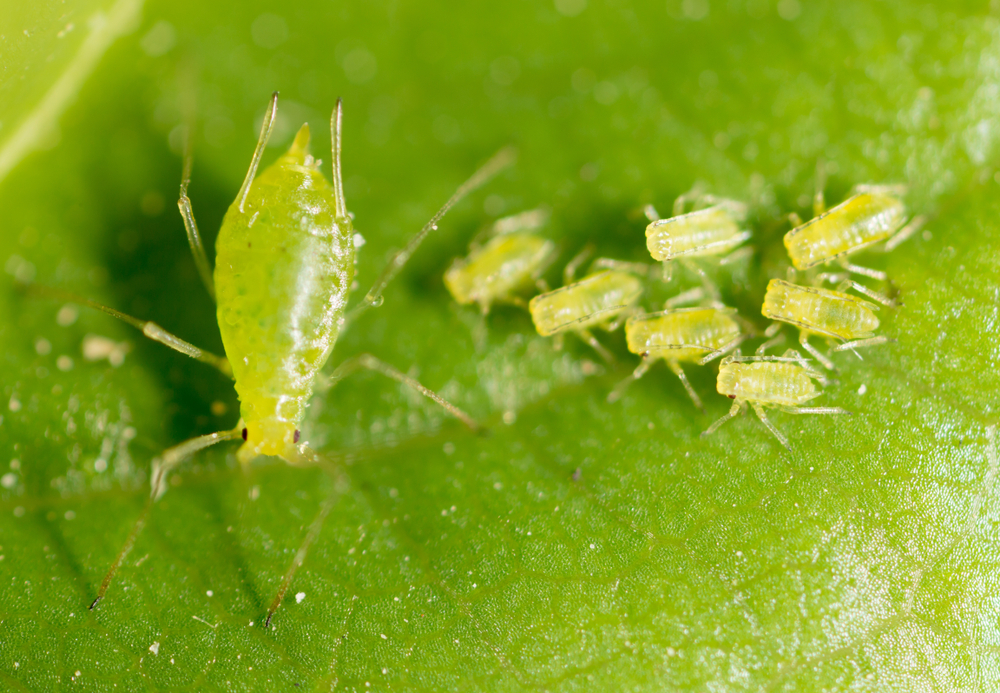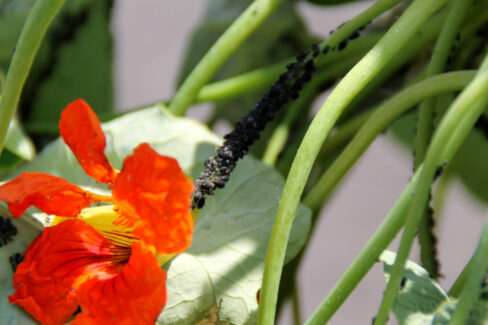
Nasturtiums are some of the most low-maintenance guests you can invite into your garden. But let’s be real: they are basically magnets for aphids. If you’ve noticed these tiny pests taking over your beautiful blooms, don’t worry! In this post, I’ll walk you through exactly how to handle them so your garden stays happy and healthy.
Chemical vs. Organic Solutions?
Because nasturtiums are so prone to aphid infestations, you might be wondering whether to reach for a chemical spray or go the natural route. Here’s the deal: chemical pesticides are definitely effective, but I’d only recommend them if you’re growing your nasturtiums purely as ornamental plants on a balcony. If you’re planning to eat those peppery leaves or flowers (and you should—they’re delicious!), you definitely want to stick to tried-and-true organic home remedies.
Fighting the Infestation
If you spot aphids, you’ll want to act fast. Your first line of defense? A good old-fashioned blast of water. Use a hose to spray the undersides of the leaves where the bugs like to hide. You want the stream to be strong enough to knock the aphids off, but gentle enough not to snap the stems.
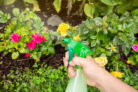
If the infestation has already moved in and made itself at home, it’s time to bring out the big guns: stinging nettle tea, black tea, or a simple mixture of water, dish soap, and a splash of rubbing alcohol. If things have gotten really out of hand, your best bet is to prune away and discard the heavily infested parts of the plant.
Another fantastic way to clear out pests is to let nature do the work for you. Beneficial insects like ladybugs, lacewings, and parasitic wasps think aphids are a five-star meal. If your nasturtiums are in a spot surrounded by plenty of other flowering plants, these “garden helpers” are likely already nearby and ready to help clean up the mess.
Prevention Tips
The best way to deal with aphids is to stop them before they start. Here are a few of my favorite preventive measures:
- Use a fine garden mesh or row cover to physically block pests.
- Plant lavender or garlic nearby. The strong scent acts like a “keep out” sign for bugs.
- Keep a diverse, blooming garden to attract natural predators like ladybugs.
- Try a garlic spray: steep about ten cloves in water and spray it on your plants to keep them protected.
These four methods are super simple but incredibly effective. If you’ve struggled with pests in the past, they are definitely worth a shot!
The Bottom Line: Don’t Panic!
Finding aphids on your nasturtiums isn’t the end of the world. There are plenty of ways to handle it; just keep in mind whether you plan on eating your harvest when choosing a method. Generally, I always recommend going organic or focusing on prevention first. By filling your garden with a variety of flowers, you create a balanced little ecosystem where nature takes care of itself.