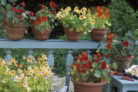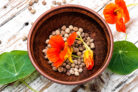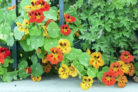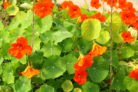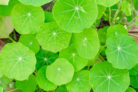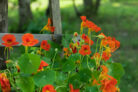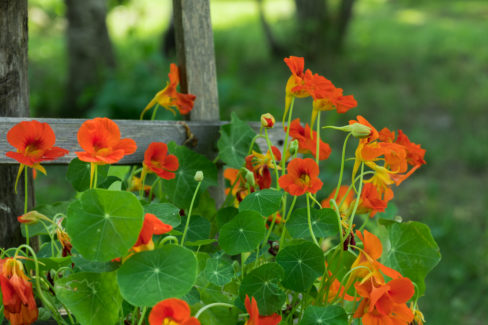
Nasturtiums are a total garden favorite, and for good reason! They’re incredibly easy to care for and bring so much to the table—literally. If you’re looking to add these vibrant beauties to your yard, you’ve come to the right place. Here’s everything you need to know about getting your nasturtium seeds started.
Timing is Everything
The best time to sow your seeds directly into the garden is usually mid-May. You want to wait until the danger of frost has passed, as these little guys are pretty sensitive to the cold. Since nasturtiums are typically annuals (meaning they only last one season), many gardeners like to get a head start by starting seeds indoors on a sunny windowsill as early as March. This gives you a much longer blooming season to enjoy! The process for starting them indoors is exactly the same as planting them outside, which I’ll walk you through next.
How to Plant
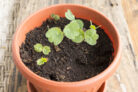
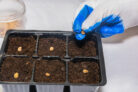
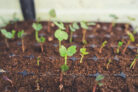
When you’re ready to plant, tuck your seeds into the soil either individually or in pairs. Make sure to give them some elbow room—about 8 to 12 inches apart is the sweet spot for them to thrive. Nasturtiums are “dark germinators,” which is just a fancy way of saying the seeds need to be completely covered to sprout. Aim for a soil depth of about half an inch to an inch. Keep the soil consistently moist, and you should see those first little sprouts popping up in about 10 to 20 days.
What About Winter?
Nasturtiums are definitely not fans of frost, so they won’t survive a cold winter outdoors. If you really want to keep a specific plant going, you can try overwintering it in a sunroom or indoor garden, though this usually works best for smaller varieties or plants grown in pots. Most gardeners simply save the seeds from their current plants or take cuttings to start fresh. That way, you’ll have a new generation ready to go by next spring!
Quick Tips at a Glance
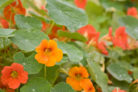
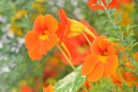
Sowing nasturtiums is a perfect project for beginners because the payoff is huge compared to the effort. Not only do they look stunning, but they’re also a delicious edible flower and have been used as a natural remedy for ages. Ready to get started? Here are the highlights:
- Sow outdoors starting in mid-May.
- Start seeds indoors as early as March for an early start.
- Pick a spot with full sun or partial shade.
- Give them plenty of space depending on whether they are climbing or bushy varieties.
The Bottom Line: You Reap What You Sow
Even if you’re still working on your green thumb, you’re going to love growing nasturtiums. It’s hard to go wrong with these hardy, beautiful plants. They really are a “win-win” for any gardener—minimal effort for maximum beauty, flavor, and health benefits. Happy planting!