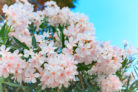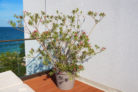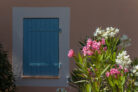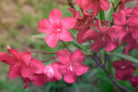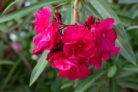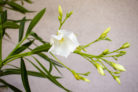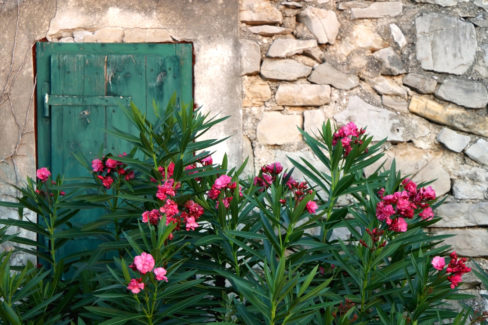
When you give an oleander the right spot and the right weather, it’ll reward you with crazy growth and a stunning explosion of flowers. But here’s the thing: oleanders are a bit picky about the thermometer.
The Sweet Spot: Ideal Temperatures for Your Oleander
Since oleanders originally hail from tropical regions, they are total sun-worshipers. For the most part, this popular garden staple isn’t too high-maintenance, but there are a few golden rules to follow. To keep yours happy, you need to think about temperature in two different stages:
- The warm growing season in the summer.
- The chilly (but not freezing!) dormant phase during the winter.
Summer Vibes: Temperatures During the Growing Season
Oleanders are happiest when they’re soaking up rays in a bright, warm location. Honestly, during the summer, it’s almost never “too hot” for an oleander. Just keep in mind that on those scorching triple-digit days, you’ll need to water them a few times a day. Also, if you have very young plants, give them a little afternoon shade so their tender new leaves don’t get sunburned.
Winter Chill: Finding the Right Winter Quarters
When it’s time to overwinter your oleander, the temperature is the most important factor. You want to keep them in a cool spot—ideally right around 40°F (5°C). This cool environment signals to the plant that it’s time to take a nap. By staying dormant, the oleander saves its energy to push out fresh new growth once you move it back outside in the spring.
If your winter storage area is too warm, the plant might not realize it’s winter and will start growing leggy new shoots. While that’s not the end of the world, it makes the transition back outside in the spring a lot trickier.
Oleander is Not Cold-Hardy
Even though oleanders stay green all year, don’t let that fool you—they aren’t fans of the frost. Once the thermometer dips below freezing (32°F), you’re risking serious frost damage. While they can survive a very brief dip down to about 23°F (-5°C), you shouldn’t push your luck. Never leave your oleander out in freezing temps for an extended period; get it into a protected winter shelter instead!
Cool Summers Can Mean Fewer Flowers
If Mother Nature delivers a summer that’s unusually cool and rainy, your oleander might decide not to bloom at all. It’s a bummer, but it’s totally natural. If that happens, there’s not much you can do except keep your fingers crossed for a long, hot summer next year!