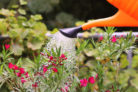
Oleanders are famously thirsty and “heavy feeders.” This means they don’t just need a steady supply of nutrients to thrive—they are absolute water hogs! Keeping them hydrated is a year-round job, and believe it or not, regular watering is just as crucial during the winter months.
Oleanders are Heavy Feeders
Because oleanders are classified as heavy feeders, they rely on a consistent supply of nutrients through fertilizer and plenty of H2O. During the summer growth spurt, your oleander will want a drink quite often. However, don’t make the mistake of neglecting them in the winter; keeping up with their water needs during the off-season is the best way to prevent long-term damage.
When it comes to winter watering, your strategy depends on where your plant is hanging out:
- Outdoors in the garden
- Tucked away in winter storage
Watering Oleanders Outdoors
If you have oleanders staying outside—especially those planted directly in garden beds—timing is everything. Only water them on frost-free days. If you try to water when it’s freezing, the water will just turn to ice on the surface before the roots can ever take a sip. Likewise, if the ground is already frozen solid, skip the watering, as the moisture won’t be able to reach the root system anyway.
Watering Oleanders in Winter Quarters
For oleanders spending the winter indoors or in a sheltered spot, aim to give them a good soak at least once a week. You never want the root ball to dry out completely. That said, be careful not to overdo it—you don’t want the soil or the plant itself to stay soggy 24/7. Constant high humidity and wet feet are an open invitation for pests and nasty fungal diseases.
The Best Type of Water for Your Oleander
Here’s a pro tip: skip the rainwater! Oleanders actually don’t handle it very well because it can make the soil too acidic, which eventually damages the roots. Instead, they much prefer tap water. For the best results, let the tap water sit out for a bit so it reaches room temperature (or gets warmed by the sun) before you head out with your watering can.
Signs of Dehydration Damage
If your oleander isn’t getting enough water, the first thing you’ll notice is dried-out leaves. When the roots are thirsty, they can’t send enough energy to the rest of the plant. This leads to those dreaded brittle, brown leaves that eventually drop off, leaving your plant looking a bit sad.