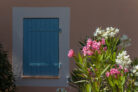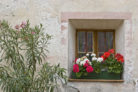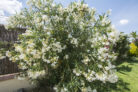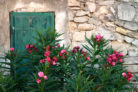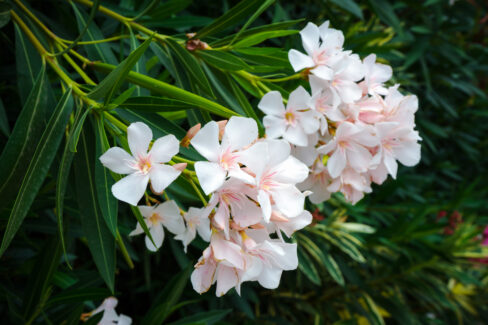
Oleanders are definitely not fans of the cold! These Mediterranean beauties just aren’t built for frost or freezing temperatures. Simply wrapping them up in some burlap isn’t going to cut it if you want them to survive until spring. To keep your plant healthy and damage-free, you really need to find it a proper winter home.
Oleanders Aren’t Winter-Hardy
Since oleanders hail from warm, sunny Mediterranean climates where the thermometer rarely dips below freezing, they haven’t developed much of a backbone against the cold. They are not winter-hardy and generally can’t handle frosty temperatures. While some varieties are a bit tougher than others and can tolerate a quick chill, you should always play it safe and protect your oleander from frost and freezing weather.
Finding the Perfect Winter Spot
The best way to keep your oleander happy is to move it into a suitable winter shelter. Ideally, you’re looking for a spot that stays around 40°F (5°C). The most important thing is that the area is dry and completely frost-free. Depending on your setup, you can try:
- Overwintering your oleander in its pot indoors, or
- In very specific cases, attempting to keep it outdoors all winter.
Winter Protection for Outdoor Plants
I’d only recommend overwintering outdoors if you live somewhere with very mild winters. If you’re going for it, move your plant to a sheltered spot—think right up against a house wall or tucked under a roof overhang. Make sure to set the pot on a “warm” base like wood or Styrofoam to block the rising cold from the ground.
You should also wrap the pot and the plant itself in bubble wrap or a specialized winter garden fleece. While this isn’t a 100% guarantee against frost, it gives your oleander a much better fighting chance than leaving it exposed to the elements.
Watch Out for Nighttime Frost
Keep a close eye on the weather report, especially those nighttime lows, as that’s when the real danger happens. Frost damage usually shows up as brown, dried-out leaves and brittle stems. To avoid this, be ready to add extra layers of protection or even pull the plant inside for the night if a freeze is coming. And don’t be in too much of a hurry to move it back outside in the spring—wait until the temperatures are consistently warm enough for your Mediterranean friend!